
By Antonio
I need to get one thing out of the way first: I’m a dad, not an occupational therapist.
When I use “fine motor” on this page, I mean the practical little hand-and-finger things toddlers already do while playing: picking something up, putting it somewhere, peeling, squeezing, drawing, stacking, opening, matching, and trying to make an object do what they want. (also, I noticed parents often ask about it, so it made sense to create this page)
That lines up with how child-development sources describe hand skills. NHS guidance includes things such as grasping, posting, drawing, stacking, filling and emptying, while current CDC toddler milestones include examples such as stacking objects, scribbling, trying to use a spoon, manipulating buttons or knobs, and using both hands together.
I’m not using those milestones to test these activities, and I wouldn’t compare two toddlers based on whether one happens to enjoy stickers more than the other.
This page is simpler than that. These are hands-on activities I’d be willing to set up at home, plus the little tricks I’d use to get my son interested in them in the first place.
Not sure what will work right now?
Tell Little Moment Play what you need, your child’s age, and how much time, setup, or mess you’re willing to deal with.
Table of Contents
- Easy Fine Motor Activities for Toddlers
- Fine Motor Skills Activities for Toddlers Using Everyday Things
- Fine Motor Activities for Peeling, Drawing and Sticking
- Fine Motor Activities for Building, Matching and Puzzles
- What Counts as a Fine Motor Activity for a Toddler?
- Want One Activity That Fits Right Now?
- Browse Toddler Activities by Age
- More Toddler Activities
Easy Fine Motor Activities for Toddlers
These are where I’d start. The action is simple enough to understand quickly, and you probably already have most of what you need.
1. Posting Box
Good for: Grasping, placing, repetition
Time: 5–15 minutes
Setup: A few minutes
Mess: None
How to do it
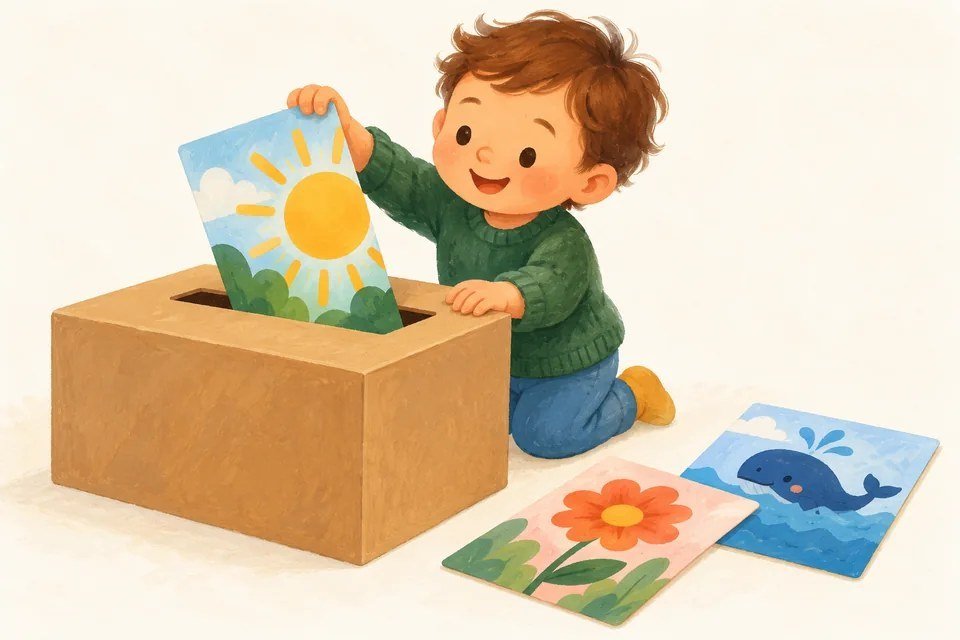
Cut or use a safe opening in a cardboard box and give your toddler several chunky objects that fit through it.
Drop in, retrieve, repeat.
How to get them interested
Drop one object in and immediately look for where it disappeared.
Pull it back out, then leave another object beside the opening.
Then let them take over
When they pick up that next object and aim for the hole without your help, stop feeding them pieces.
That repeated pick-up-and-post loop is enough.
Toddler not interested?
Change the objects so they make different sounds when they land.
Important safety note
Only use objects much too large to swallow.
2. Sticker Rescue
Good for: Peeling, finger control
Time: 10–20 minutes
Setup: A few minutes
Mess: None
How to do it
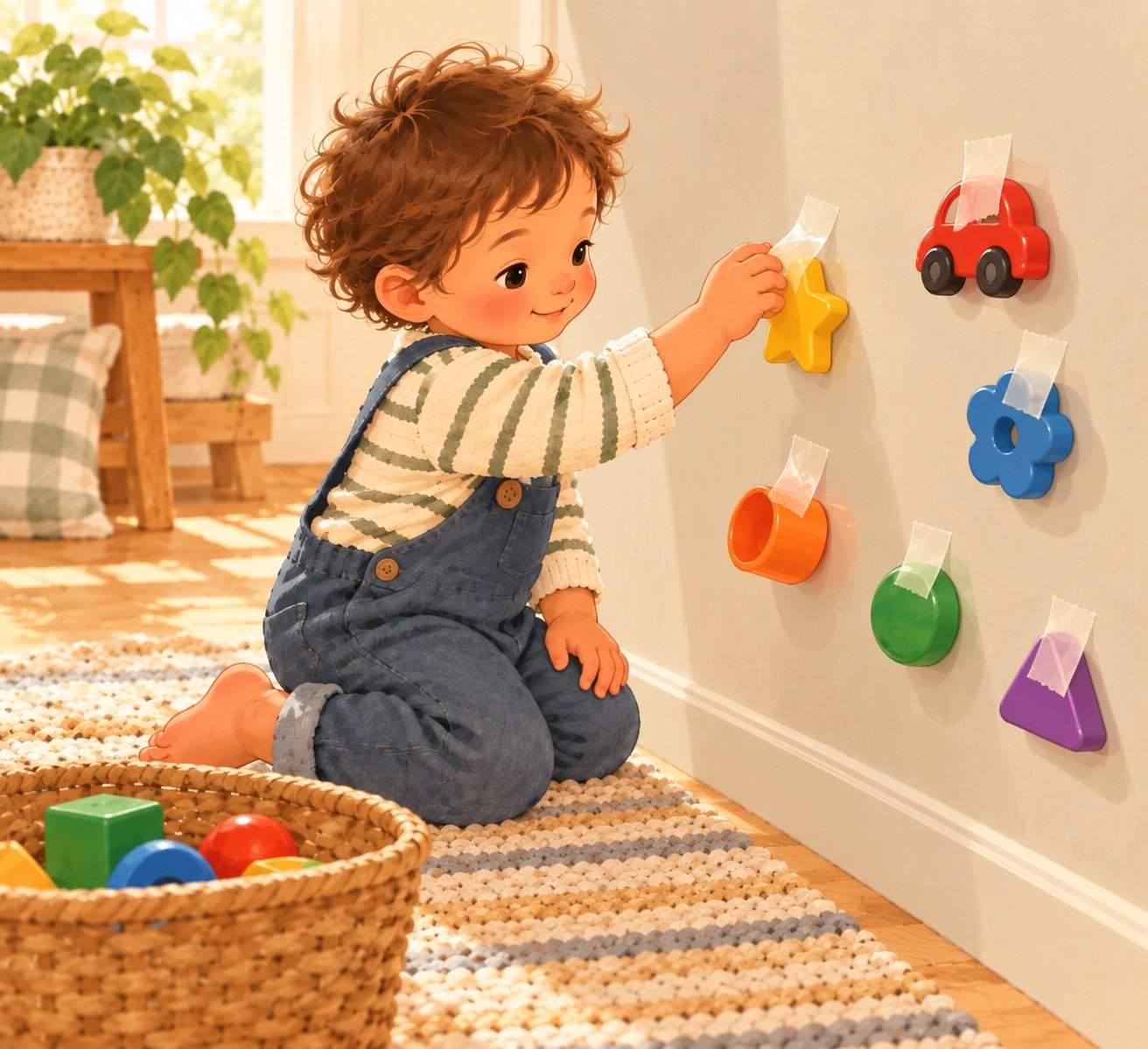
Place large stickers or short strips of painter’s tape on a tray or safe surface, leaving edges easy to grab.
Your toddler peels them off.
How to get them interested
Lightly trap one toy car or animal under painter’s tape and try unsuccessfully to free it.
Then let them rescue it.
Then let them take over
Once they start searching for the next loose edge themselves, stop pointing them out.
Toddler not interested?
Use only one or two pieces.
A whole prepared tray can sometimes look less interesting than one obvious problem.
3. Sock Match
Good for: Picking up, matching, sorting
Time: 5–15 minutes
Setup: Almost none
Mess: None
How to do it
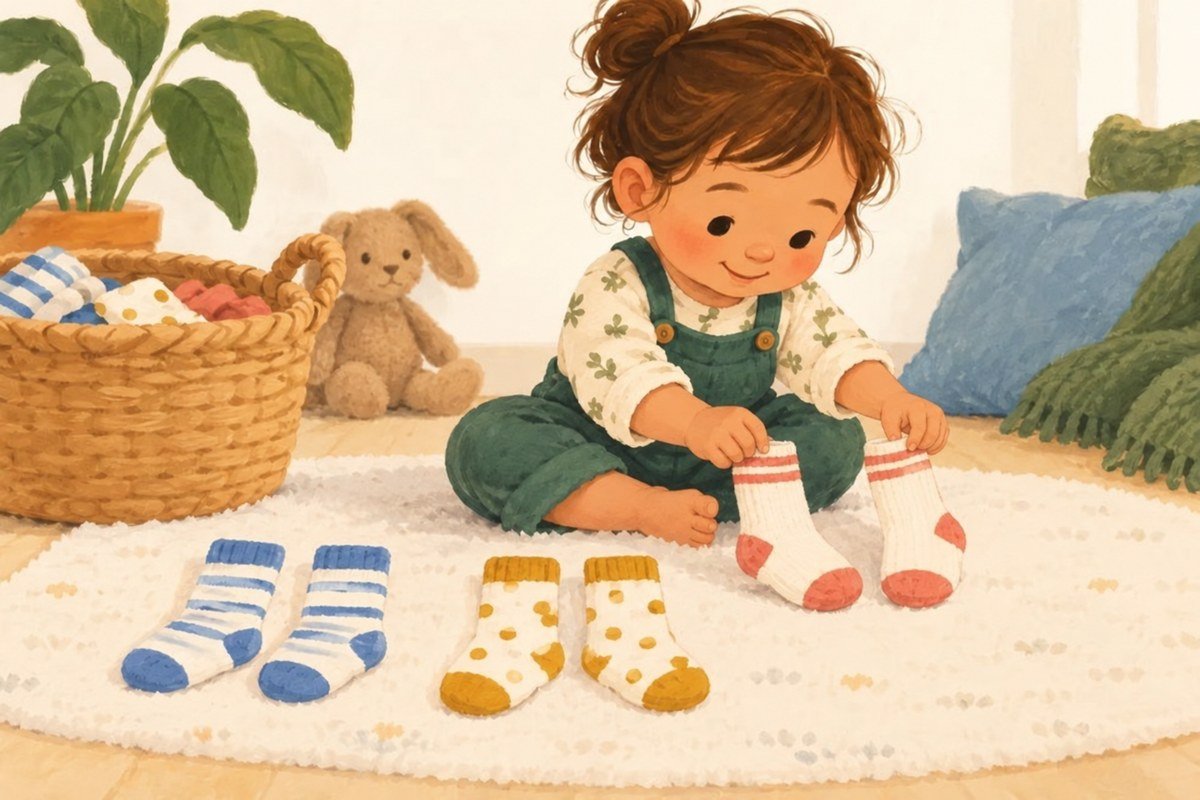
Mix several pairs of clean socks and let your toddler find which ones belong together.
Start with pairs that look noticeably different.
How to get them interested
Choose two completely different socks and confidently call them a pair.
Wait for the correction.
Then let them take over
When they grab a sock and start searching the pile themselves, stop offering choices.
Toddler not interested?
Make one sock into a puppet that needs help finding its friend.
4. Block Stacking
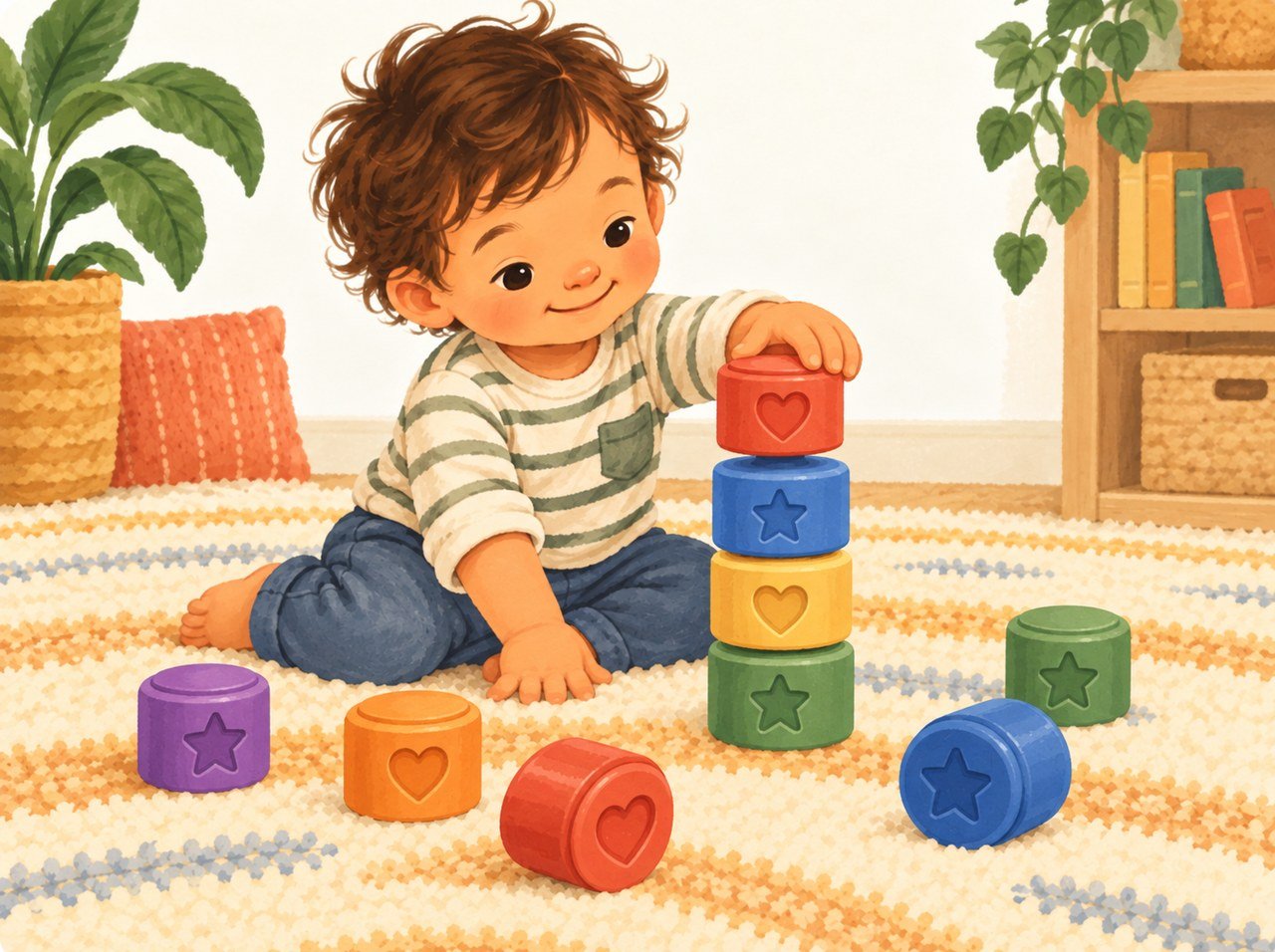
Good for: Placing, building, repeated attempts
Time: 5–15 minutes
Setup: None
Mess: Little
How to do it
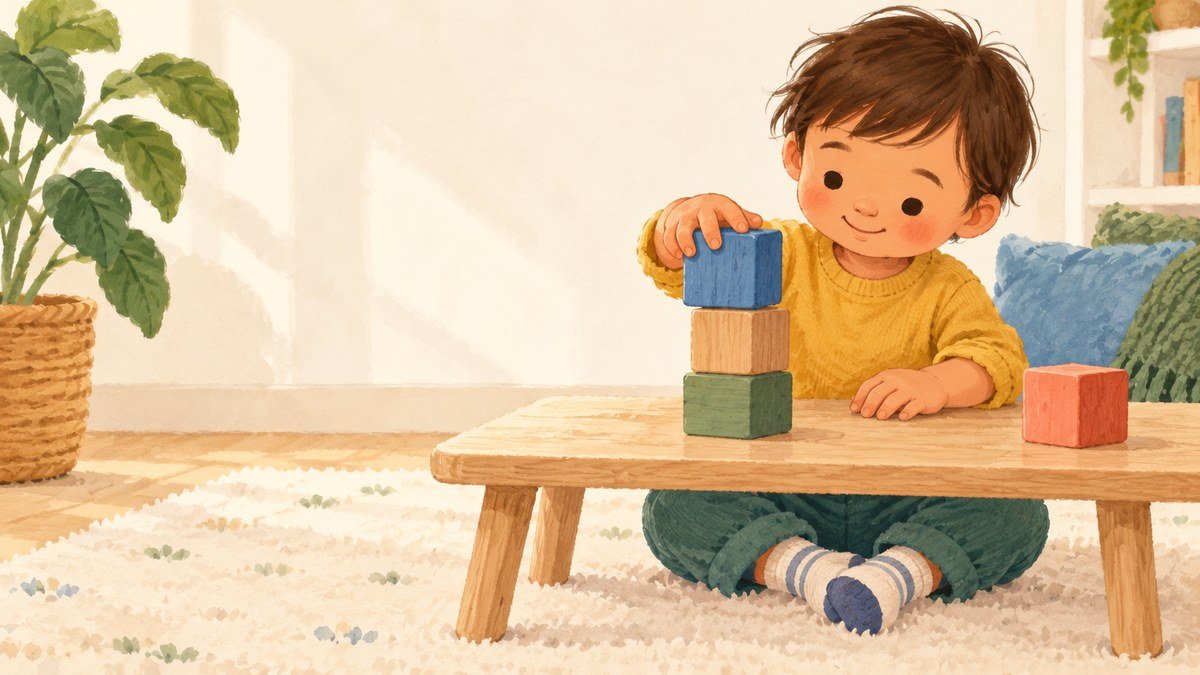
Put out a small number of large toddler-safe blocks and build a short tower.
Keeping the pile small can make the activity easier to start.
How to get them interested
Build only two blocks high and then pause with another block in your hand as if you cannot decide what happens next.
Put it down beside the tower.
Then let them take over
Once your toddler adds a block without being asked, stop designing the tower.
If they immediately knock everything down, that may simply be phase two of the activity.
Toddler not interested?
Build something deliberately unstable.
Fixing or destroying your bad tower may be more appealing than building from scratch.
Fine Motor Skills Activities for Toddlers Using Everyday Things
One reason I like this kind of play is that it doesn’t require a box labeled “fine motor toy.” Containers, sponges, vegetables, baskets, and other normal household things already give toddlers plenty to manipulate.
1. Lid Match Helper
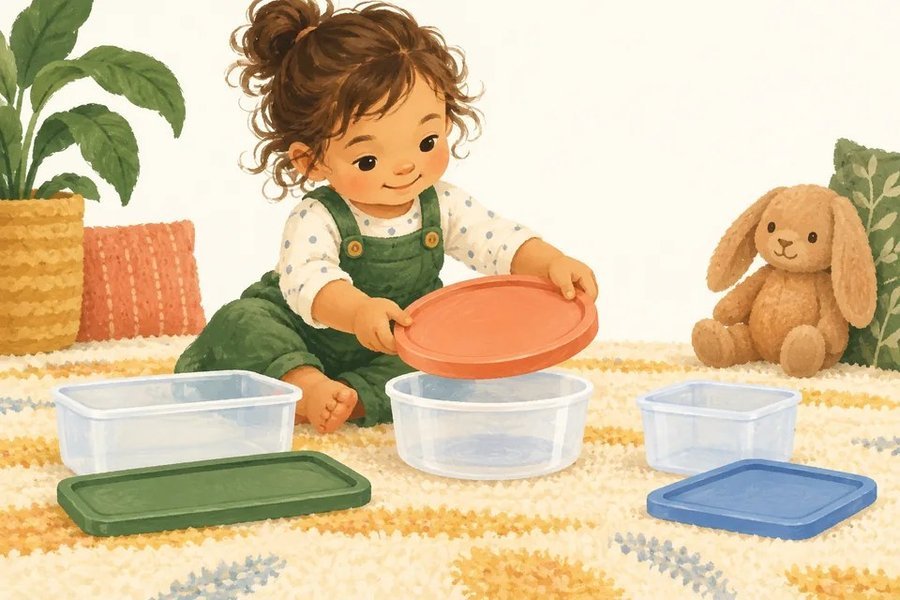
Good for: Matching, twisting, opening and closing
Time: 5–15 minutes
Setup: Almost none
Mess: None
How to do it
Choose several clean, unbreakable containers with different lids.
Take the lids off and let your toddler test which ones fit.
How to get them interested
Close one container, open it again, then put the wrong lid halfway onto another one.
Leave the problem there.
Then let them take over
When they start testing lids without checking with you, stop telling them which ones match.
Toddler not interested?
Put a favorite larger toy inside one container so opening it has a purpose.
Important safety note
Avoid sharp containers and small lids that could be choking hazards.
2. Kitchen Basket Transfer
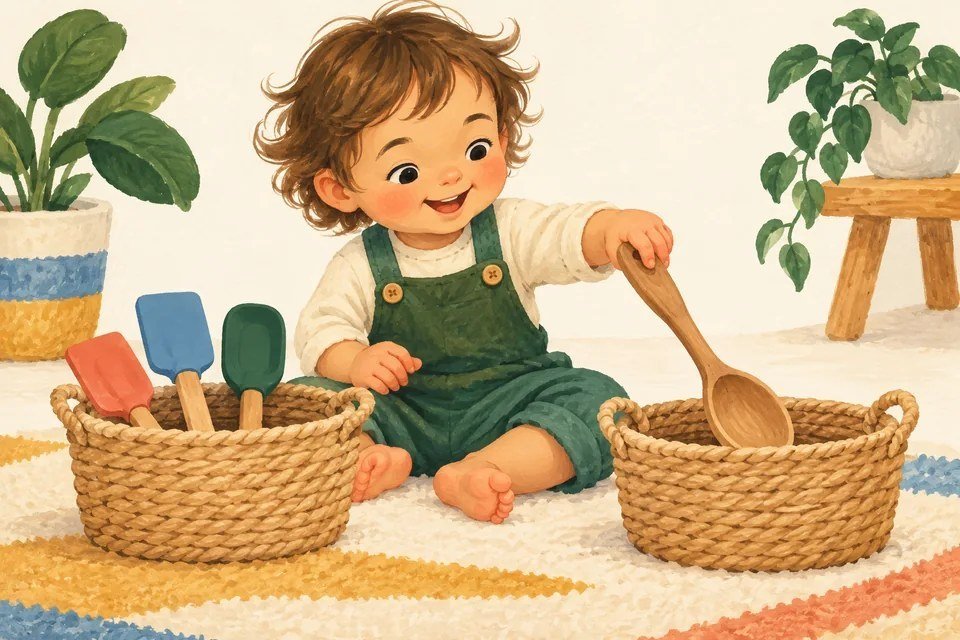
Good for: Grasping, placing, repetitive play
Time: 10–20 minutes
Setup: Almost none
Mess: Little
How to do it
Use two baskets or bowls and several large, safe kitchen objects such as wooden spoons, silicone utensils, or plastic cups.
Move them from one container to another.
How to get them interested
Move two items yourself without saying anything.
Start reaching for a third, then leave it halfway between the baskets.
Then let them take over
When they start choosing and moving items themselves, stop handing things over.
They may eventually forget there were supposed to be two baskets.
Toddler not interested?
Give one object a silly purpose first, such as using the wooden spoon to tap the empty basket.
3. Sponge Squeeze
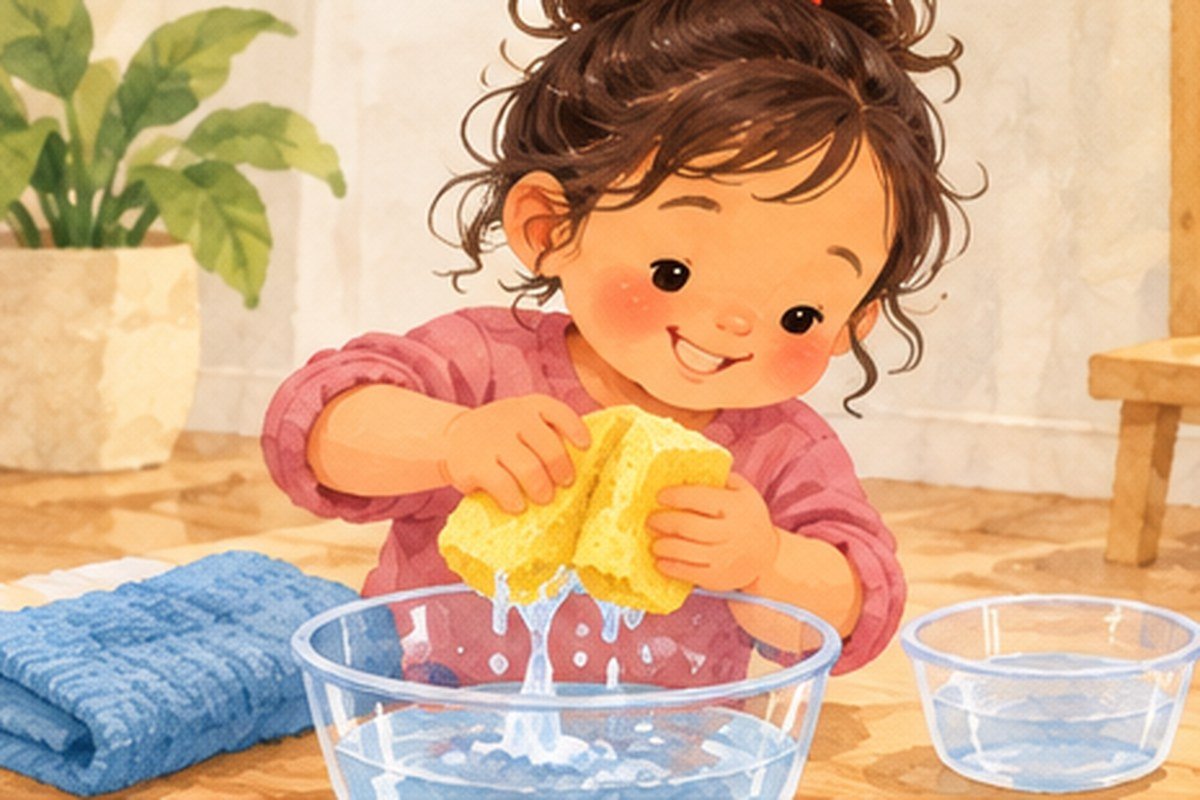
Good for: Squeezing, grasping, water play
Time: 10–20 minutes
Setup: A few minutes
Mess: Little to wet
How to do it
Put a little water in one container and use a sponge to move some of it into another.
Soak, carry, squeeze, repeat.
How to get them interested
Fill the sponge yourself and squeeze it over the empty bowl.
Show them the water that suddenly appeared there.
Then let them take over
When they reach back into the water for another refill, stop squeezing for them.
Toddler not interested?
Let them squeeze the sponge without transferring anything. The squeezing itself can be enough.
Important safety note
Keep water play supervised.
4. Vegetable Wash Station
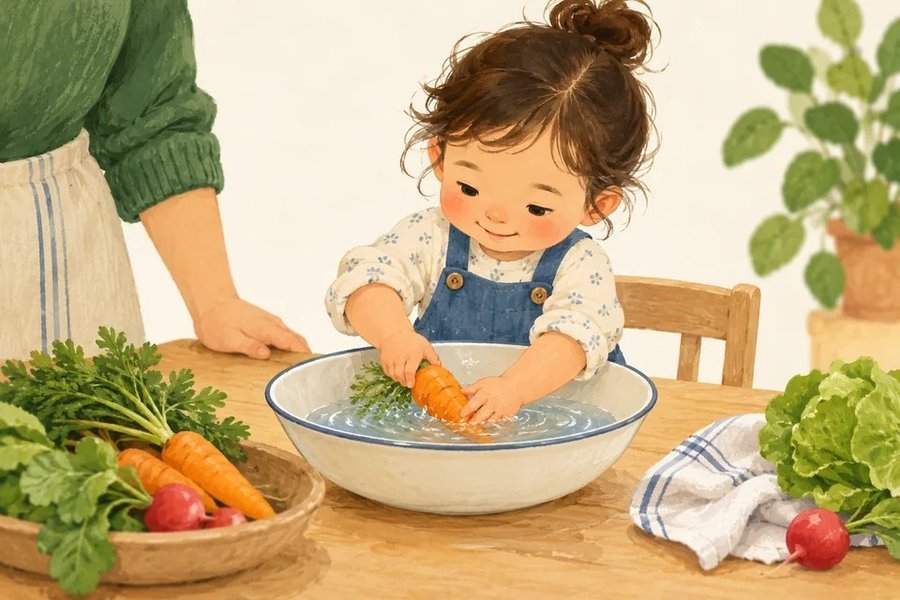
Good for: Scrubbing, holding, everyday participation
Time: 10–20 minutes
Setup: A few minutes
Mess: Little
How to do it
Give your toddler a few sturdy vegetables, a small amount of water, and a soft brush or cloth.
Let them rinse, rub, rotate, and inspect them.
How to get them interested
Choose one vegetable and declare one tiny spot extremely dirty.
Scrub that spot, then put the next vegetable beside them.
Then let them take over
When they grab another vegetable and start cleaning without you assigning it, let them run the washing station.
Toddler not interested?
Let them decide which vegetable you should wash instead.
Important safety note
Supervise water play and use clean, safe produce without sharp tools nearby.
Fine Motor Activities for Peeling, Drawing and Sticking
These are more art-adjacent, although I’m using “art” loosely. I care more about whether a toddler wants to manipulate the materials than whether we end up with something worth hanging on the fridge.
1. Sticker Picture
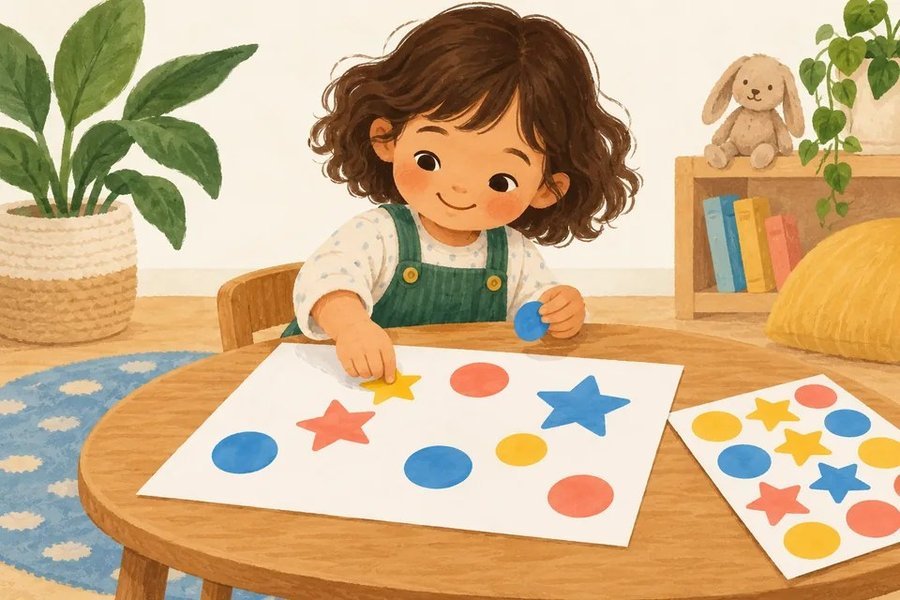
Good for: Peeling, sticking, sitting-down play
Time: 10–20 minutes
Setup: Almost none
Mess: None
How to do it
Give your toddler large stickers and paper.
They can build a picture or simply stick things wherever they want.
How to get them interested
Start a tiny scene and leave something clearly incomplete.
Put one animal on an otherwise empty page or deliberately leave a gap in a row.
Then let them take over
Once they begin choosing stickers without asking you where they belong, stop directing the picture.
Toddler not interested?
Put two stickers lightly on the back of your hand and let them start by peeling those off.
Important safety note
Use large, age-appropriate stickers and supervise toddlers who still mouth small objects.
2. Finish My Drawing
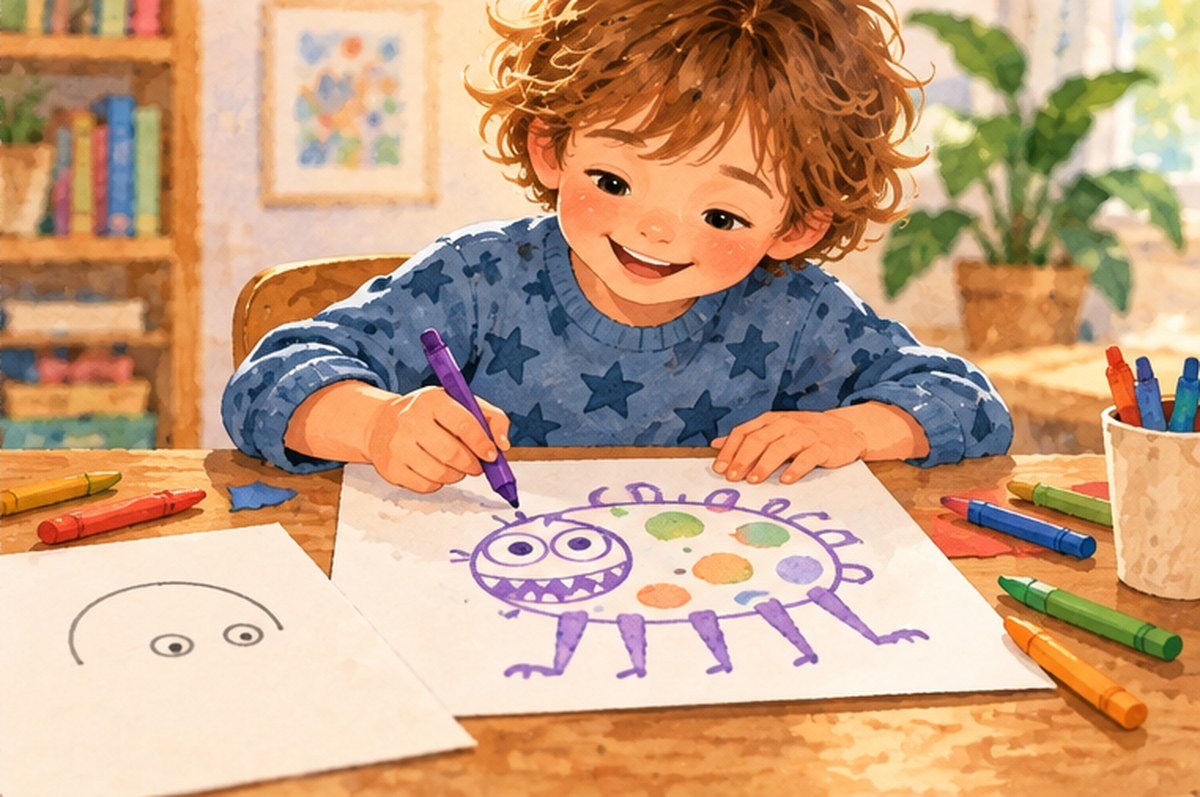
Good for: Drawing, making marks, shared play
Time: 5–15 minutes
Setup: Almost none
Mess: Little
How to do it
Draw something simple and obviously unfinished.
A car can have no wheels. A face can have no mouth. A monster can be missing an arm.
How to get them interested
Look at your terrible drawing and admit that something has gone wrong.
Let them figure out what.
Then let them take over
Once they make the first mark without you directing where it belongs, stop correcting the picture.
Toddler not interested?
Have them scribble first and let you turn their mark into something.
Then hand it back.
3. Water Painting
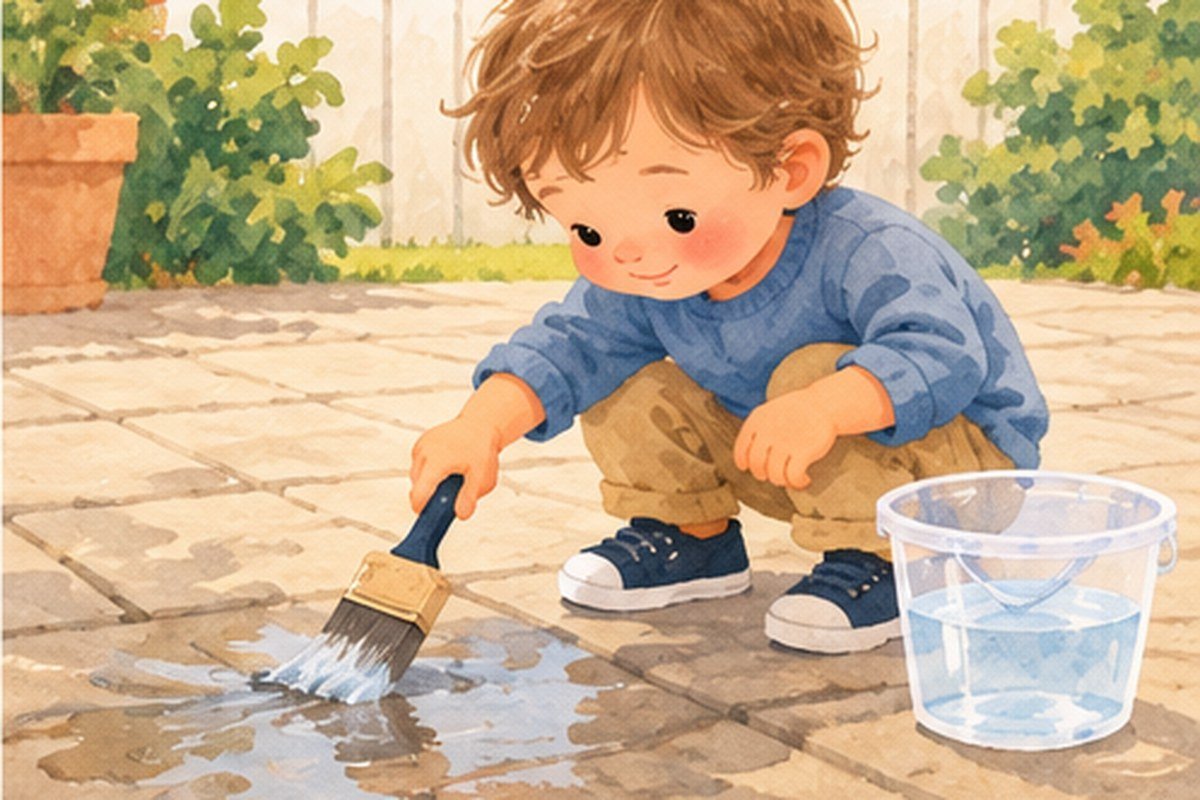
Good for: Brush control, making marks
Time: 10–20 minutes
Setup: Almost none
Mess: Little
How to do it
Use a wide paintbrush and water on a safe surface where wet marks will show.
Your toddler can make lines, spots, circles, or cover the same patch repeatedly.
How to get them interested
Paint one mark and wait while it begins to disappear.
Point out nothing else.
The vanishing picture does most of the sales work.
Then let them take over
When they dip the brush again on their own, stop drawing examples.
Toddler not interested?
Swap the brush for a sponge.
4. Playdough Pinch and Roll
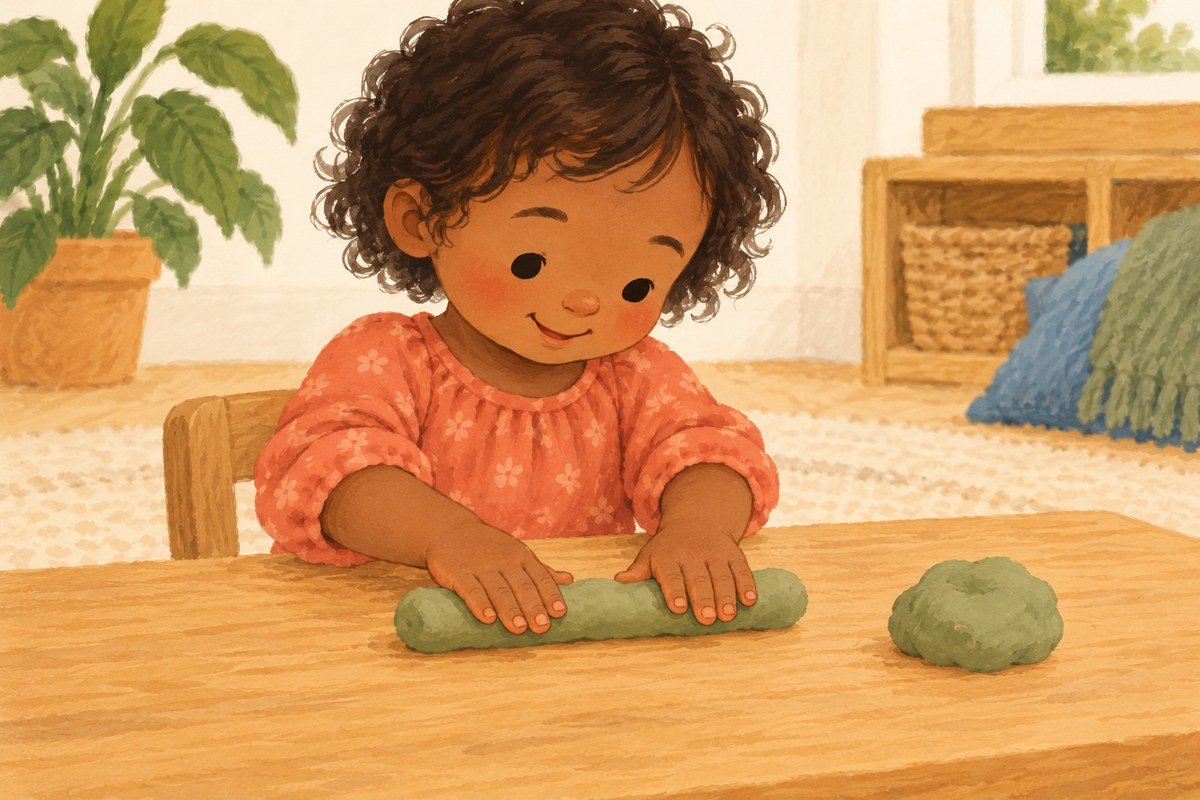
Good for: Pinching, squeezing, rolling
Time: 10–20 minutes
Setup: Almost none
Mess: Little
How to do it
Give your toddler a small amount of age-appropriate playdough.
Show them how to squash it, pinch pieces, roll a short snake, or press a finger into it.
You don’t need cutters or an elaborate playdough setup.
How to get them interested
Roll one small ball, flatten it dramatically with your palm, then push it toward them.
Toddlers usually understand “squash this” faster than “let’s develop our fine motor skills.”
Then let them take over
When they begin changing the dough from one shape to another without copying you, stop demonstrating.
Toddler not interested?
Hide one large safe toy partly inside the dough and let them pull it free.
Important safety note
Use non-toxic, age-appropriate playdough and supervise. Do not use small hidden objects.
Fine Motor Activities for Building, Matching and Puzzles
These are the activities where I’m most tempted to “help” too much. If my son is trying to fit something somewhere, my adult brain immediately sees the answer. Usually he gets more out of the activity if I wait.
1. Build a Small Block House
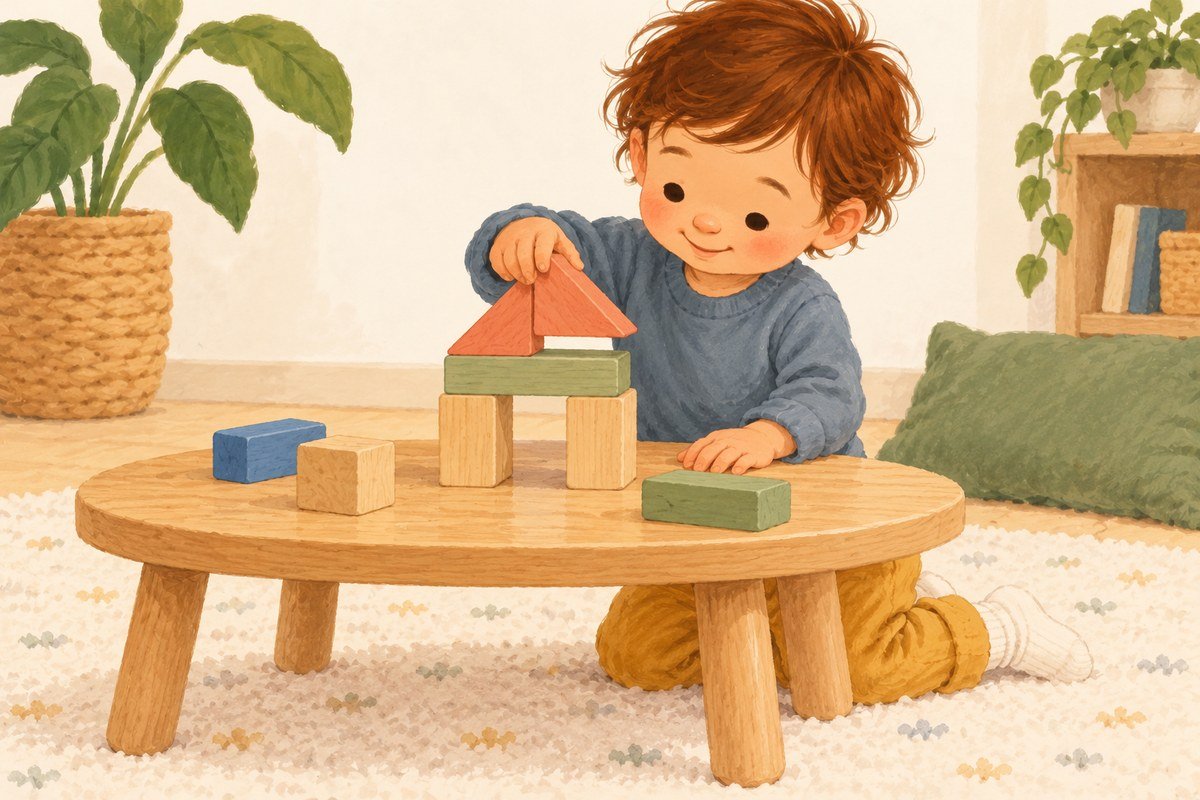
Good for: Placing blocks, building
Time: 10–20 minutes
Setup: Almost none
Mess: Little
How to do it
Use a small pile of large blocks and one toy.
Build the toy a tiny house, bed, wall, or garage.
How to get them interested
Tell them the toy has nowhere to sleep and place the first two blocks yourself.
Pause.
Then let them take over
When they place the next block without asking you where it goes, stop designing.
Their building is allowed to stop being a house.
Toddler not interested?
Finish one tiny structure and put the toy inside. They may be more interested in changing something that already exists.
2. Simple Puzzle Tray
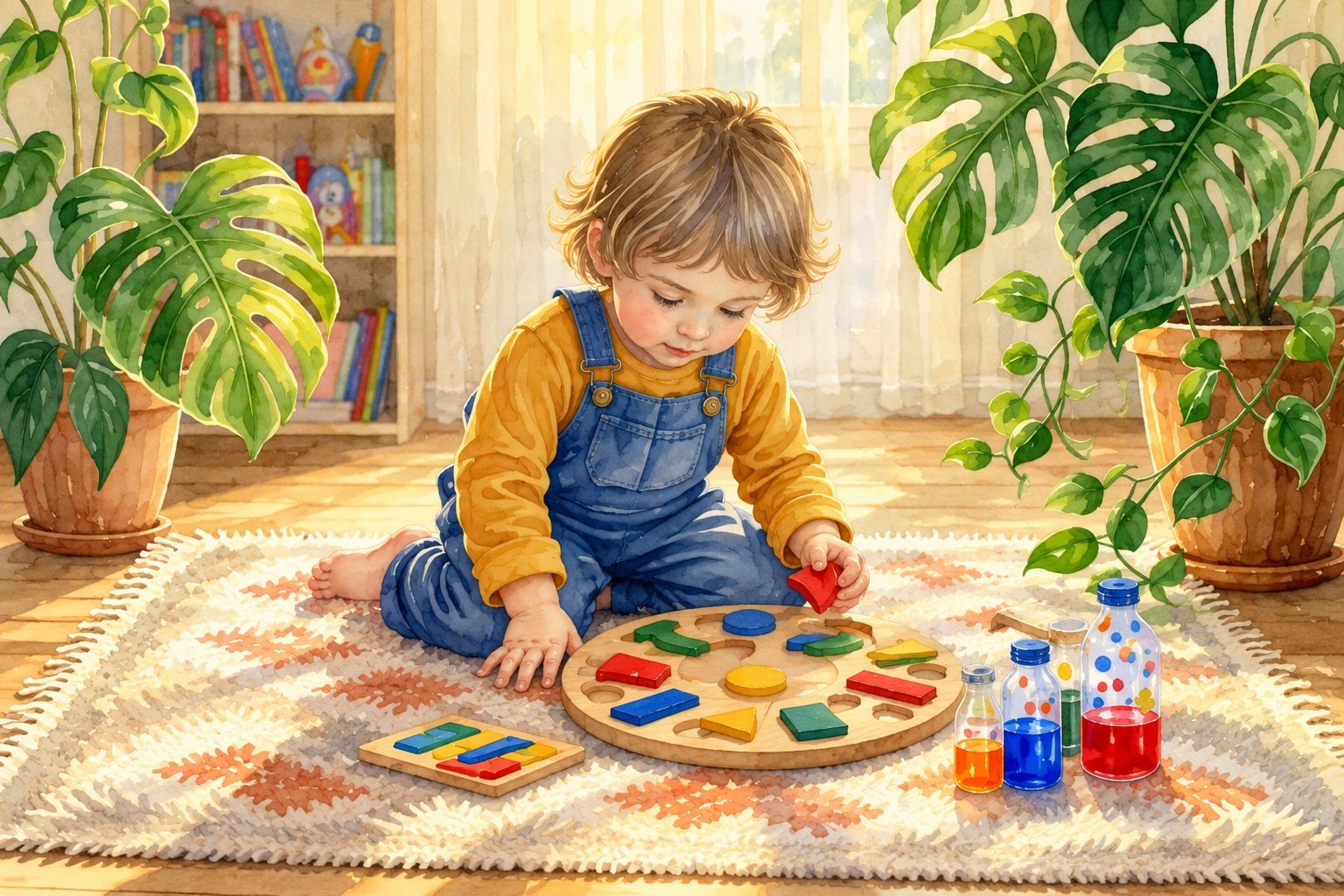
Good for: Grasping, turning, fitting pieces
Time: 5–15 minutes
Setup: Almost none
Mess: None
How to do it
Put one familiar chunky puzzle on a tray with only a manageable number of pieces available.
How to get them interested
Complete most of it yourself and leave one obvious space.
Put the matching piece nearby.
Then let them take over
If they place that piece and immediately reach for another, stop pointing out the answers.
Toddler not interested?
Reduce it to only two or three pieces.
If they still leave, let them. The puzzle can wait for another day.
Important safety note
Use age-appropriate puzzles without small loose pieces.
3. Quiet Sorting
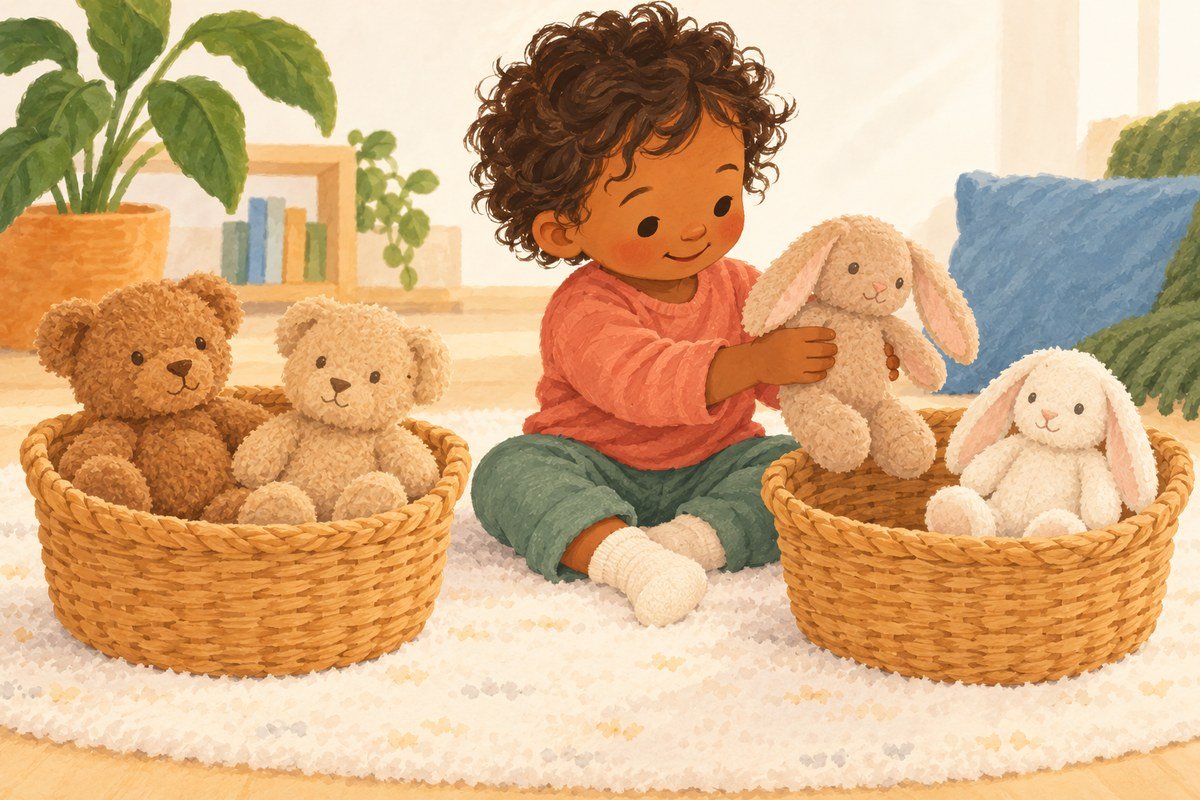
Good for: Grasping, placing, sorting
Time: 10–20 minutes
Setup: Almost none
Mess: Little
How to do it
Use two containers and a small collection of large safe toys or household objects.
Give the two containers a simple difference or purpose.
How to get them interested
Instead of explaining sorting, turn the containers into places.
“This is the car garage. This is the animal house.”
Put one object into each.
Then let them take over
When they start deciding where objects belong without checking with you, stop naming the categories.
Their system may no longer match yours.
Toddler not interested?
Drop the sorting altogether and let them transfer everything from one container to another.
4. Big Object Scoop and Pour

Good for: Scooping, gripping, transferring
Time: 10–20 minutes
Setup: A few minutes
Mess: Little
How to do it
Use two containers, a sturdy scoop or large spoon, and large toddler-safe objects that are too big to swallow.
Move them from one container to the other.
How to get them interested
Scoop one object, almost lose it, recover, and finally drop it into the second container.
Then leave the scoop behind.
Then let them take over
When they begin aiming the scoop without waiting for your help, stop loading it for them.
If they eventually use their hands instead, that is fine too.
Toddler not interested?
Remove the scoop and let them transfer by hand first. Introduce the tool again later.
Important safety note
Avoid beads, dried beans, rice, pom-poms, or other small loose fillers with young toddlers. Use large safe objects instead.
What Counts as a Fine Motor Activity for a Toddler?
“Fine motor” sounds more technical than most of these activities actually are.
In practical terms, we’re talking about using the hands and fingers to manipulate things. Child-health guidance commonly connects hand skills with actions such as grasping, posting, drawing, stacking, filling and emptying containers, and using everyday tools.
You can see similar actions appearing naturally in CDC toddler milestones. Stacking objects appears in early toddler milestones, while scribbling, trying to use a spoon, and manipulating simple objects and controls appear as toddlers get older.
That doesn’t mean I’d sit beside my son checking whether his Sticker Rescue performance is developmentally on schedule.
I’m using those sources to explain why activities involving hands, fingers, grasping, placing, and manipulating things are reasonably described as fine motor activities. The rest of this page is just me approaching them as a parent: make the first action interesting, give him time to figure it out, and try not to jump in the second something becomes difficult.
If I had a genuine concern about development, I’d ask a pediatrician or another qualified professional rather than trying to diagnose anything from an activity list.
Want One Activity That Fits Right Now?
Tell Little Moment Play what you need, your child’s age, and how much time, setup, or mess you’re willing to deal with.
Browse Toddler Activities by Age
- Activities for 1-Year-Olds
- Activities for 2-Year-Olds
- Activities for 3-Year-Olds
- Activities for 4-Year-Olds
- Activities for 5-Year-Olds