
By Antonio
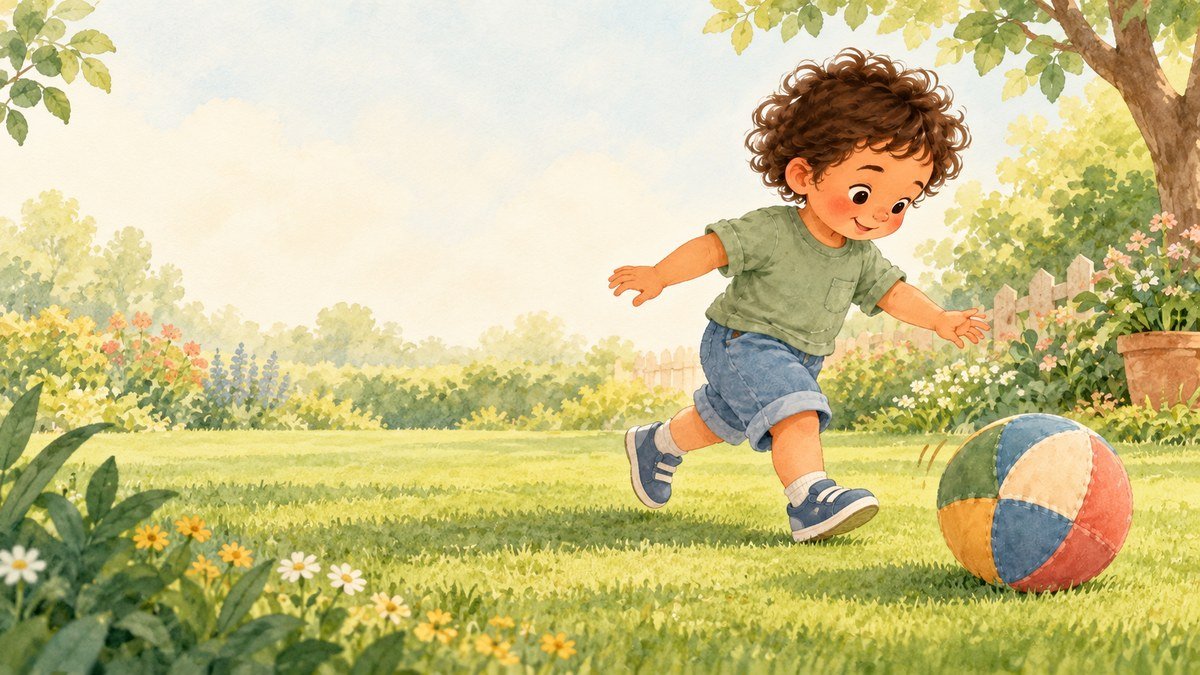
Getting outside already does half the work for me.
My son can lose interest in something indoors almost immediately, then become fascinated by essentially the same thing once we take it outside. A bucket is suddenly worth carrying around. Water becomes an activity. A line on the ground becomes somewhere we absolutely need to run.
I also like outdoor activities because they don’t need to be elaborate. Most of the ideas here work in a yard, courtyard, driveway, park, or any other safe outdoor space where a toddler has a little room.
The same Little Moment rule still applies, though. “Go play outside” is not always enough. I usually have better luck starting small so he can react, then stopping once he starts changing the game himself.
Not sure what will work right now?
Tell Little Moment Play what you need, your child’s age, and how much time, setup, or mess you’re willing to deal with.
Table of Contents
- Easy Outdoor Activities for Toddlers
- Fun Outdoor Activities for Toddlers
- Outdoor Water and Sensory Activities for Toddlers
- Outdoor Gross Motor Activities for Toddlers
- What Makes a Good Outdoor Activity for a Toddler?
- Want One Activity That Fits Right Now?
- Browse Toddler Activities by Age
- More Toddler Activities
Easy Outdoor Activities for Toddlers
These need almost no preparation. They’re the sort of thing I’d use when we are already outside and I want to turn wandering around into a game without bringing half the house with us.
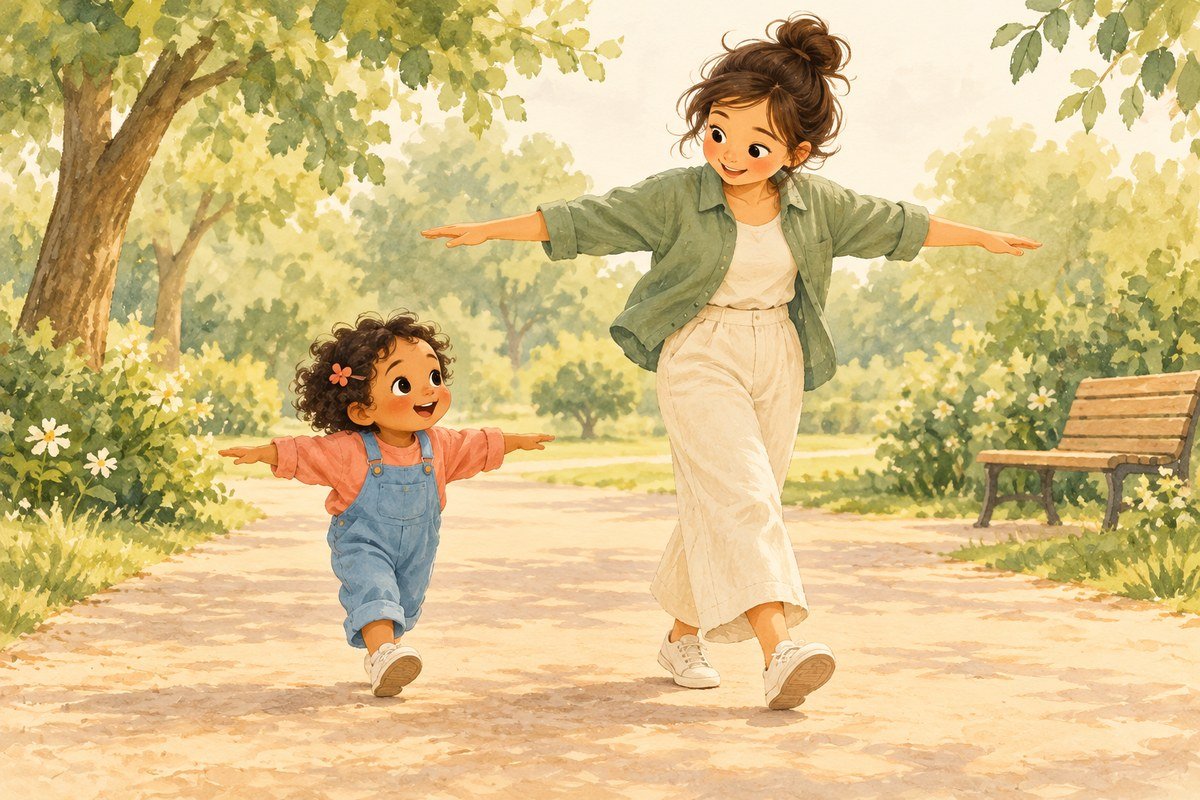
1. Follow-the-Leader Walk
Good for: Walking, imitation, exploring
Time: 10–20 minutes
Setup: None
Mess: None
How to do it
Start walking together and occasionally change what you are doing. Take giant steps, tiptoe, walk slowly, stop at a tree, turn around, or take a strange route around something.
There are no rules beyond giving your toddler something interesting to copy.
How to get them interested
Don’t announce a follow-the-leader game.
Start walking ridiculously slowly or taking comically large steps until they notice. Looking slightly foolish is usually more effective than explaining what the game is called.
Then let them take over
The handoff happens when they do a movement you didn’t show them.
Copy it.
Once they realize you are following them now, you can stop inventing the walk.
Toddler not interested?
Forget the movements and give the walk one destination: a tree, gate, bench, puddle, or whatever they can already see.
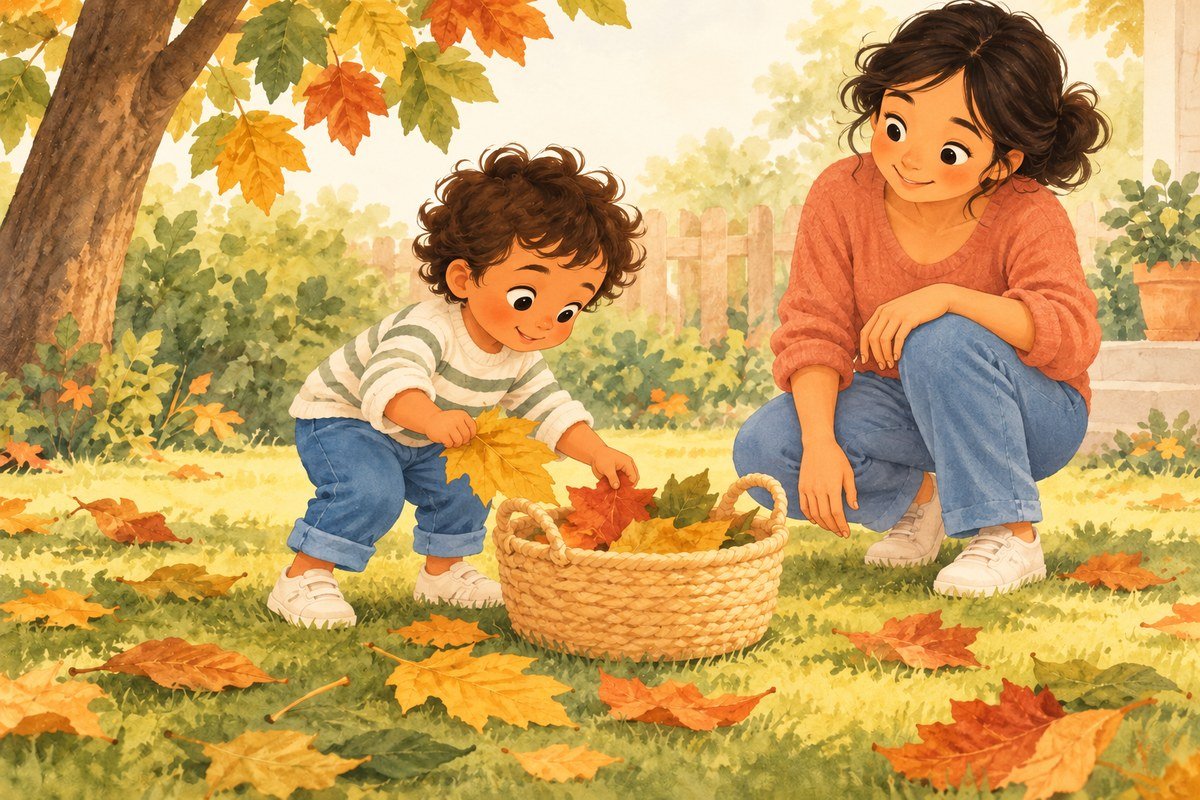
2. Nature Carry and Collect
Good for: Exploring, carrying, outdoor focus
Time: 10–20 minutes
Setup: Almost none
Mess: Little
How to do it
Give your toddler a small bucket or basket and look for a few large, safe things they can collect, such as fallen leaves, pinecones, or sticks without sharp ends.
You don’t need a scavenger list. The container itself gives the walk a purpose.
How to get them interested
Pick up one leaf, inspect it as though you’ve found something surprisingly valuable, and put it in the bucket.
Then keep walking.
Leaving the next discovery to them creates more curiosity than telling them to collect ten leaves.
Then let them take over
When they start scanning the ground and adding things without checking with you first, stop suggesting what should go in.
The collection is theirs now.
Toddler not interested?
Carry the bucket yourself and let them decide what you are allowed to put into it.
Important safety note
Avoid unknown berries, mushrooms, animal waste, sharp objects, and anything small enough to create a choking risk.
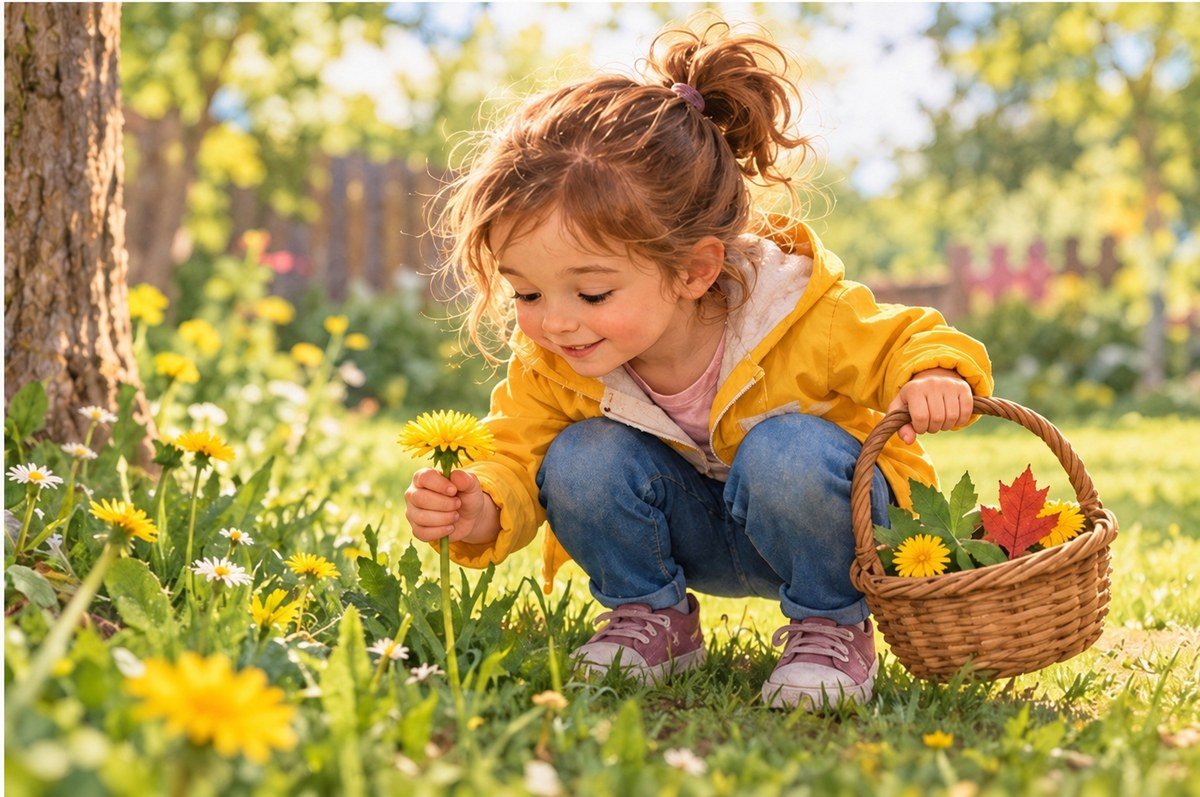
3. Outdoor Color Hunt
Good for: Exploring, colors, walking
Time: 10–20 minutes
Setup: None
Mess: None
How to do it
Choose one color and see what you can find outside.
Green is obviously cheating in some places, but that can make it an easy first round. Later you can try red, yellow, white, brown, or whatever your surroundings offer.
How to get them interested
Instead of asking them to find colors, pretend you are looking for one specific thing.
“I need something yellow.”
Look around and deliberately miss something obvious.
Then let them take over
Once your toddler starts pointing out objects before you ask, stop choosing the targets.
Follow whatever colors they begin noticing.
Toddler not interested?
Turn it into a race toward one visible object: “Can you get to that red thing before me?”
4. Water Painting
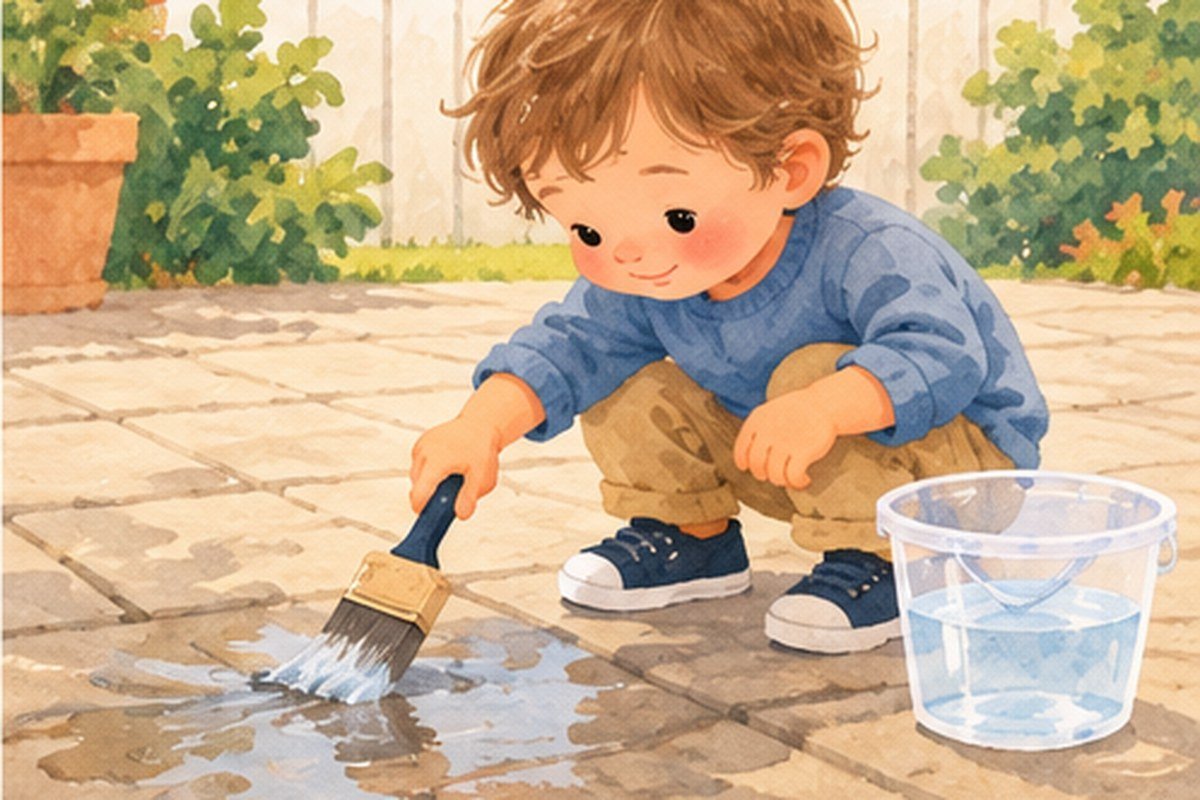
Good for: Low-mess outdoor play, painting
Time: 10–20 minutes
Setup: Almost none
Mess: Little
How to do it
Give your toddler a wide paintbrush and a small container of water.
Let them “paint” a fence, pavement, large stones, or another suitable outdoor surface. The marks appear darker and slowly disappear as they dry.
How to get them interested
Paint one enormous line yourself.
Come back a minute later and act confused because part of your picture has disappeared.
That disappearing mark gives them something to investigate.
Then let them take over
When they dip the brush and return to the surface without waiting for you, stop suggesting pictures.
They may happily paint the same patch repeatedly.
Toddler not interested?
Skip the brush and let them make wet marks using a sponge instead.
Important safety note
Use a safe surface and keep water play supervised. Avoid creating slippery walking areas.
Fun Outdoor Activities for Toddlers
These have a little more silliness or movement. I use this kind of activity when the goal is less “calm exploration” and more “please use some of this energy somewhere that isn’t the sofa.”
1. Run to the Color
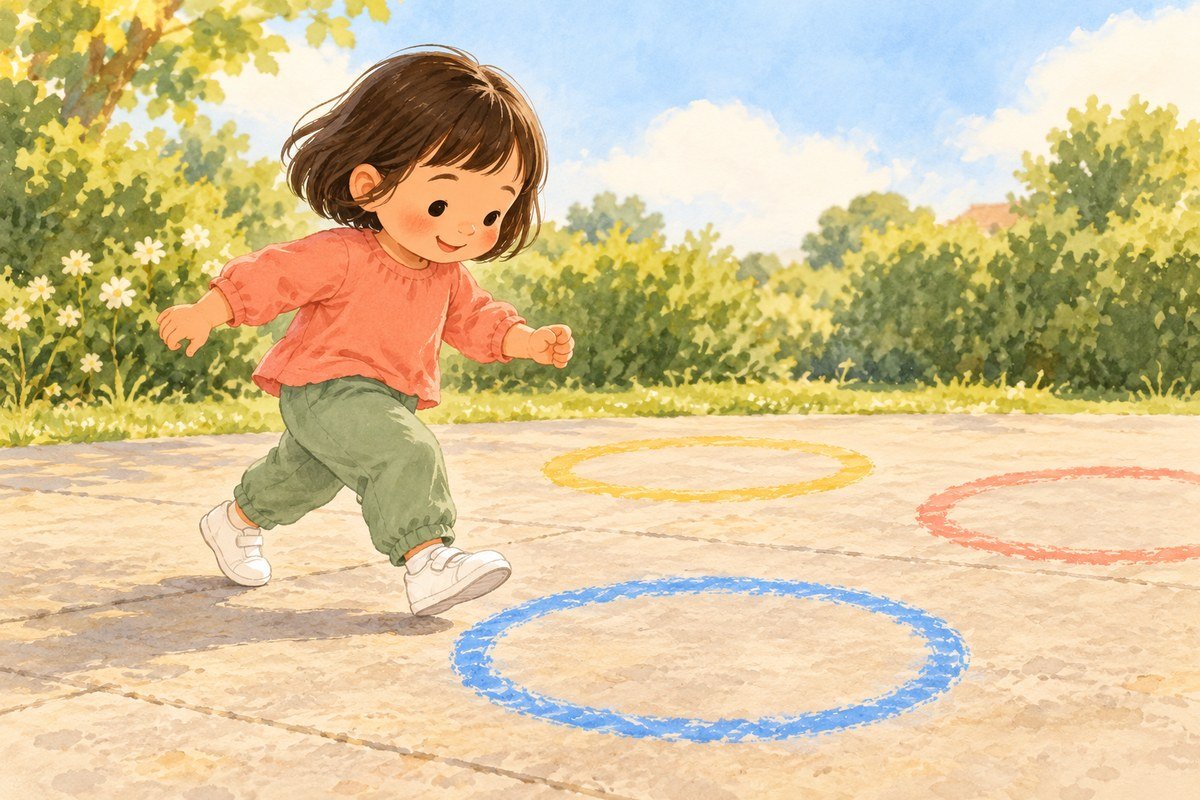
Good for: Running, listening, energy
Time: 5–15 minutes
Setup: None
Mess: None
How to do it
Choose a visible color and move toward something that matches it.
With younger toddlers, walk or run together. Older toddlers may enjoy finding the object themselves.
How to get them interested
Call out “green” and confidently run toward something that is obviously not green.
Give them the opportunity to redirect you.
Then let them take over
Once they start choosing colors or destinations themselves, let them run the game.
Your only job is to follow.
Toddler not interested?
Skip colors and call out familiar objects instead: tree, bench, gate, ball.
2. Chalk Movement Path
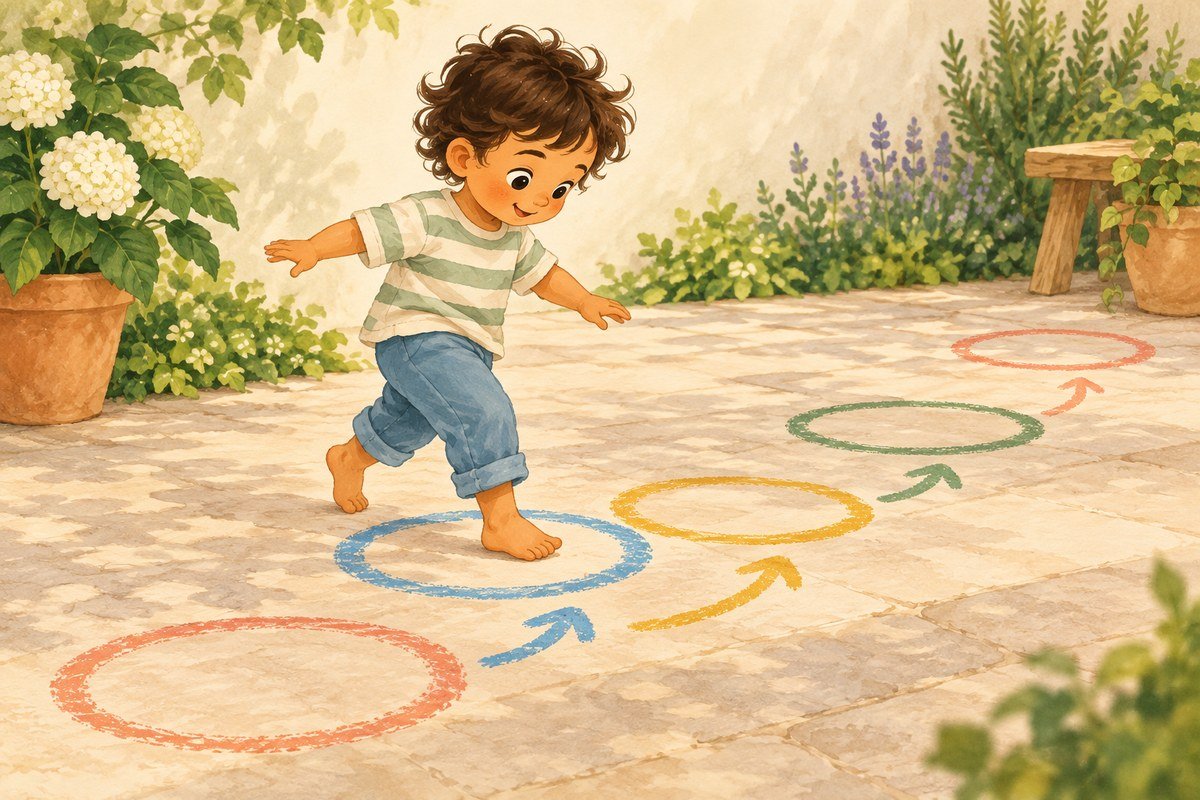
Good for: Movement, following a path
Time: 10–20 minutes
Setup: A few minutes
Mess: Little
How to do it
Use sidewalk chalk to draw a simple route with lines, circles, turns, or stopping points.
Your toddler can walk along the line, step inside the circles, run between marks, or completely ignore your intended route.
How to get them interested
Walk the first section yourself.
At one point, deliberately follow the path in a ridiculous way, such as walking backward or stepping around a circle that is clearly meant to be stepped into.
Then let them take over
When they move ahead and start interpreting the chalk without waiting for you, stay behind.
You’ve become the follower again.
Toddler not interested?
Hand them the chalk.
Drawing on your movement course may be more interesting than following it.
3. Bubble Chase
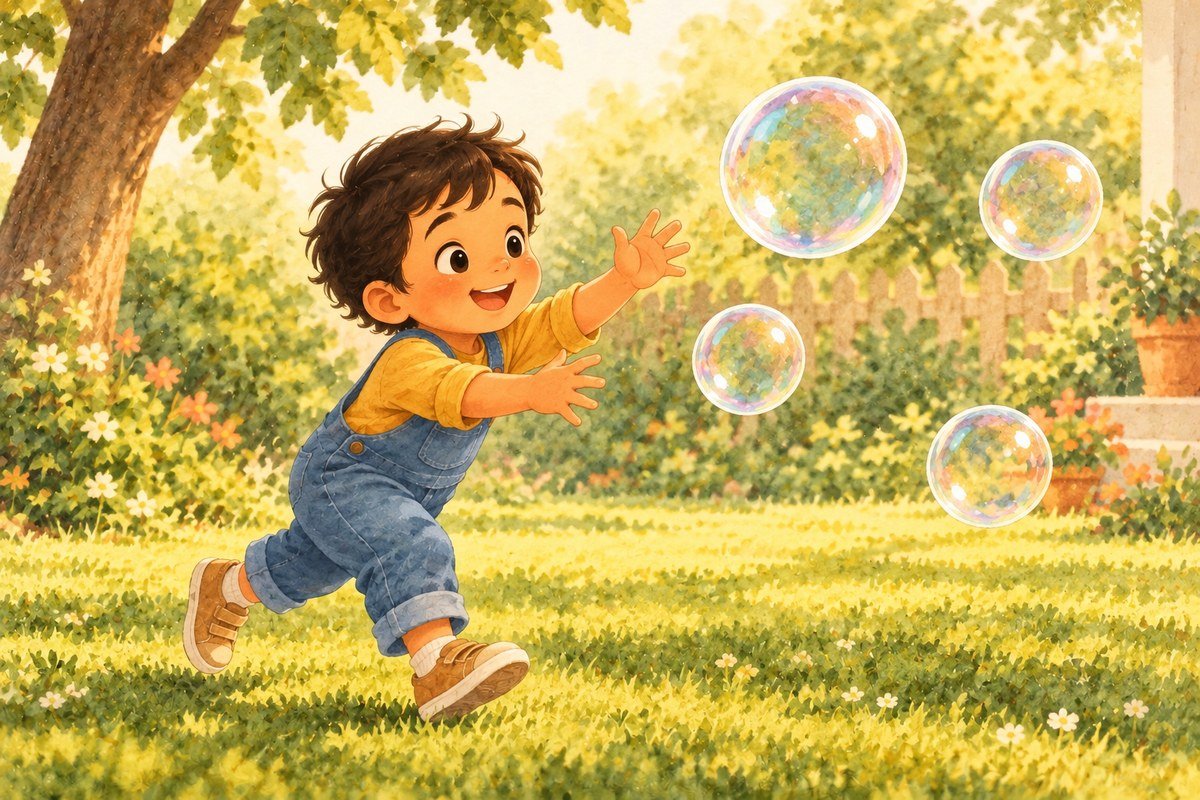
Good for: Running, reaching, quick outdoor play
Time: 5–10 minutes
Setup: Almost none
Mess: Little
How to do it
Blow a few bubbles and let your toddler chase, pop, watch, or follow them.
You don’t need a bubble machine or hundreds at once. A handful gives them something visible to react to.
How to get them interested
Blow only one or two bubbles at first.
Try to catch one yourself and fail.
Then blow the next one toward them.
Then let them take over
Once they begin watching where the next bubble travels rather than watching you, just keep supplying bubbles occasionally.
You no longer need to tell them what to do with them.
Toddler not interested?
Try catching a bubble on the wand and bringing it close enough for them to poke.
Important safety note
Keep bubble solution out of mouths and eyes, and watch for slippery spilled solution.
4. Soft Ball Delivery Outside
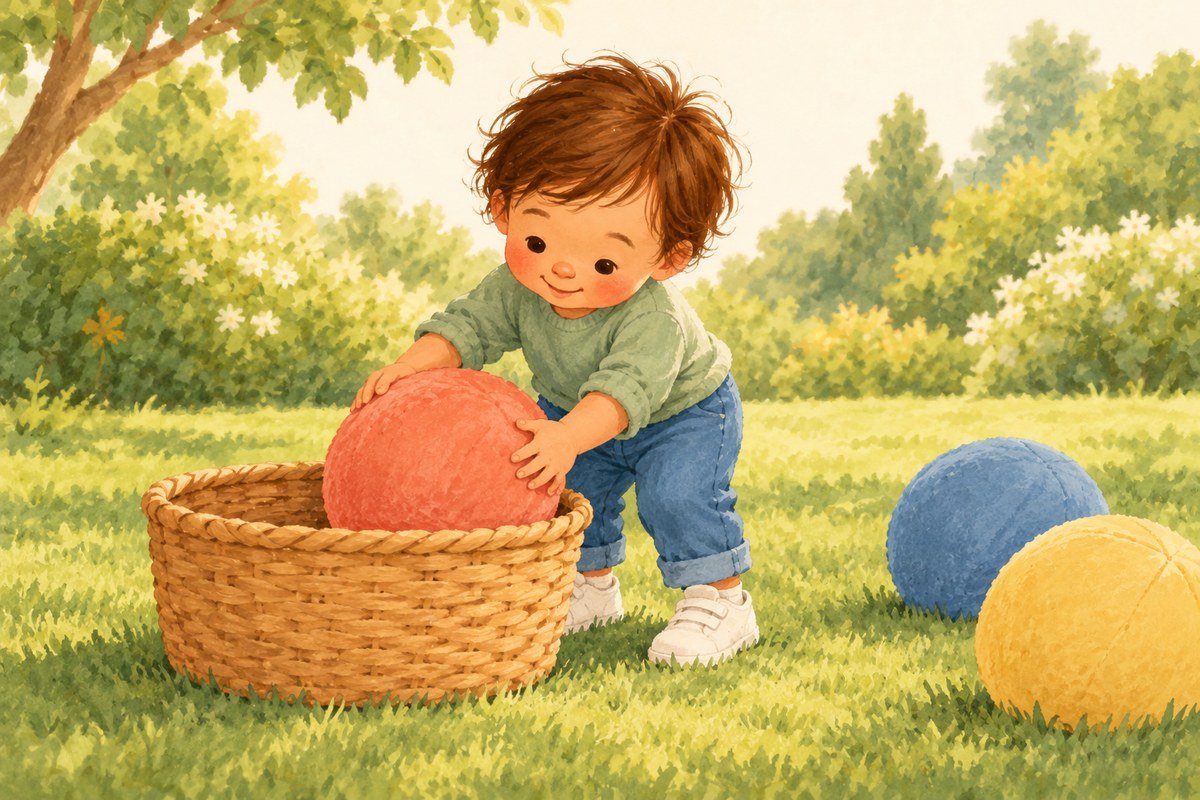
Good for: Carrying, throwing, pretend play
Time: 10–20 minutes
Setup: Almost none
Mess: None
How to do it
Choose a soft ball and give it somewhere to “go.”
Deliver it to a tree, bucket, bench, blanket, or another safe destination. Then choose somewhere else.
How to get them interested
Hold the ball and announce that it urgently needs to get to a nearby tree.
Carry it there yourself, come back, and pick another destination.
The silly purpose turns moving a ball into a tiny mission.
Then let them take over
When your toddler grabs the ball and chooses where it should go next, stop naming destinations.
Follow their deliveries.
Toddler not interested?
Use a favorite stuffed toy as the customer waiting for the ball.
Outdoor Water and Sensory Activities for Toddlers
I like sensory play much more outside because I care a lot less about where the water ends up.
1. Toy Wash Station
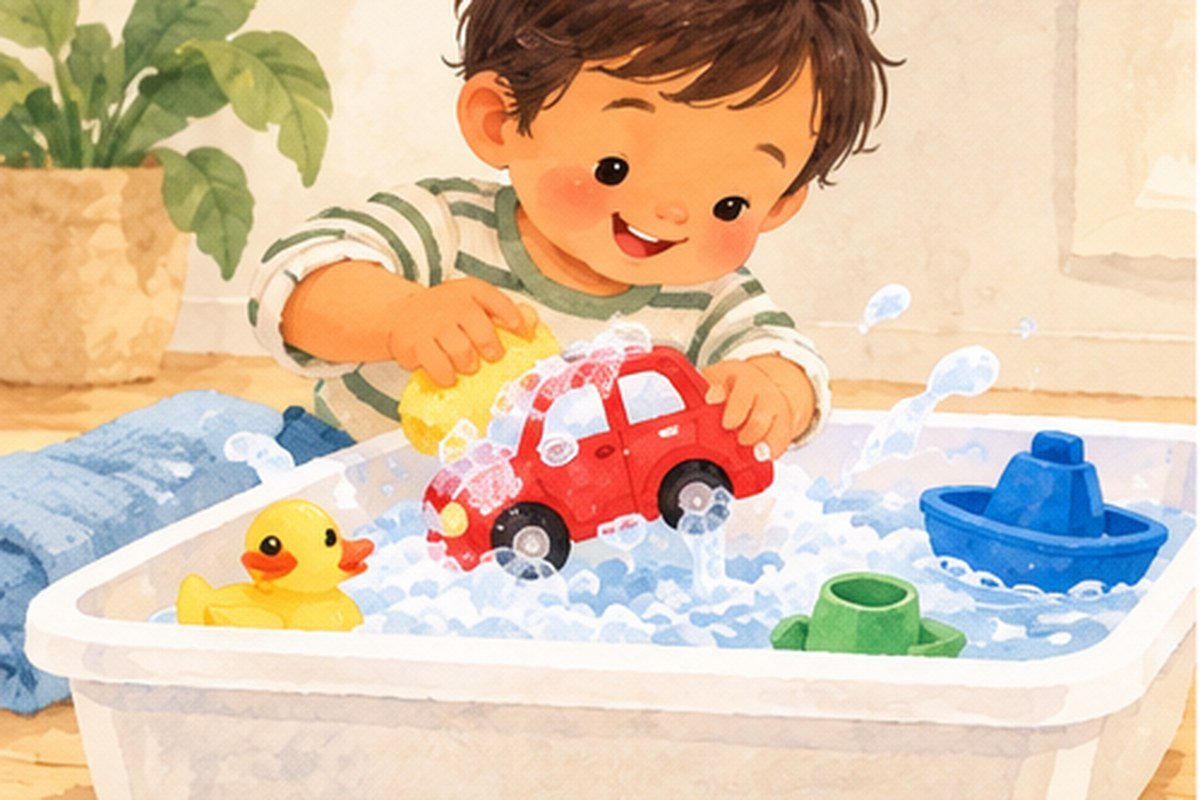
Good for: Water play, pretend play
Time: 15–30 minutes
Setup: A few minutes
Mess: Wet
How to do it
Put a shallow amount of water into a container and add a few washable toys plus a sponge or cloth.
Your toddler can wash, dip, squeeze, wipe, and move the toys around.
How to get them interested
Choose one toy and point out that it has apparently become terribly dirty.
Wash only half of it.
Leave the rest for them.
Then let them take over
Once they grab another toy or start squeezing the sponge without you prompting them, stop assigning things to wash.
Toddler not interested?
Give the toys a second dry container they need to move into after washing.
Important safety note
Always supervise toddlers around water, even when the amount is shallow.
2. Sponge Squeeze
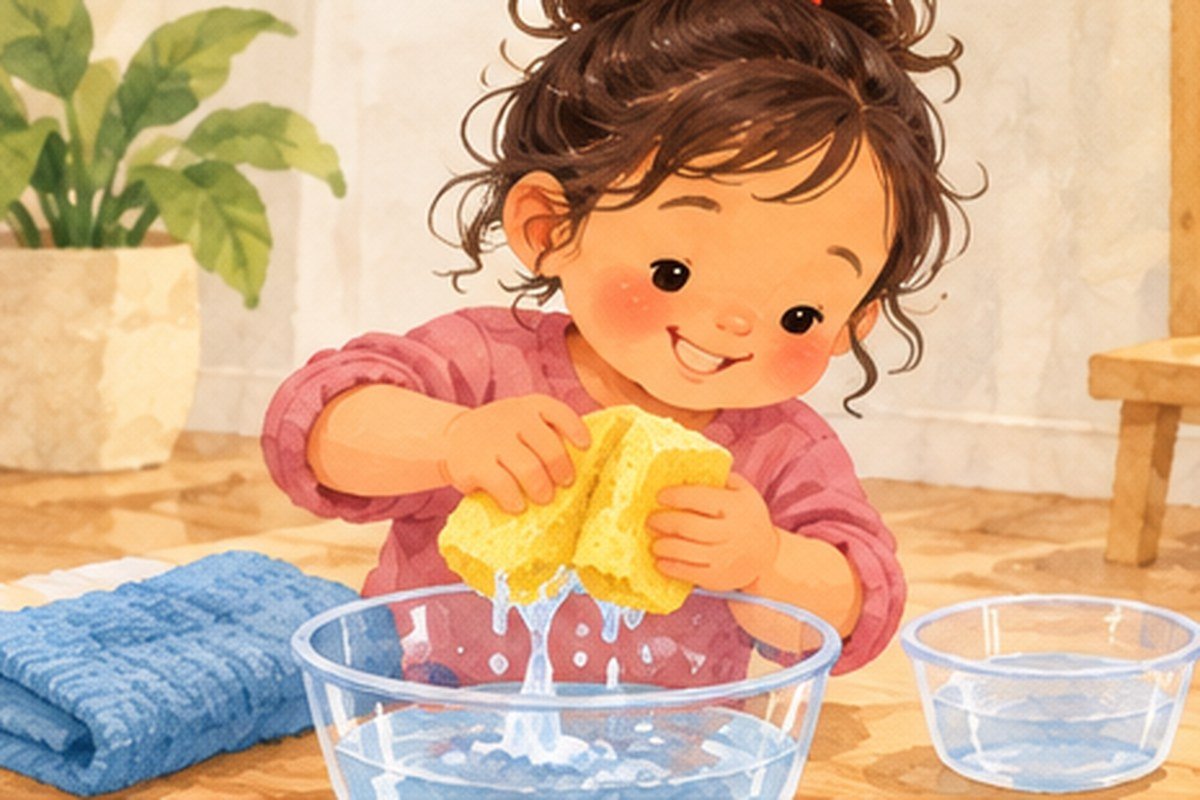
Good for: Water play, squeezing, repetition
Time: 10–20 minutes
Setup: A few minutes
Mess: Wet
How to do it
Put a little water in one container and leave another container empty.
Show your toddler how a sponge can soak up water and then release it when squeezed.
How to get them interested
Fill the sponge, carry it over the empty container, and squeeze.
Show them the water that appeared.
Then put the sponge back in the first container without repeating the process.
Then let them take over
When they start moving the sponge between containers themselves, let repetition take over.
They may do the same transfer again and again.
Toddler not interested?
Forget transferring and let them squeeze the sponge directly onto the ground.
3. Nature Texture Hunt
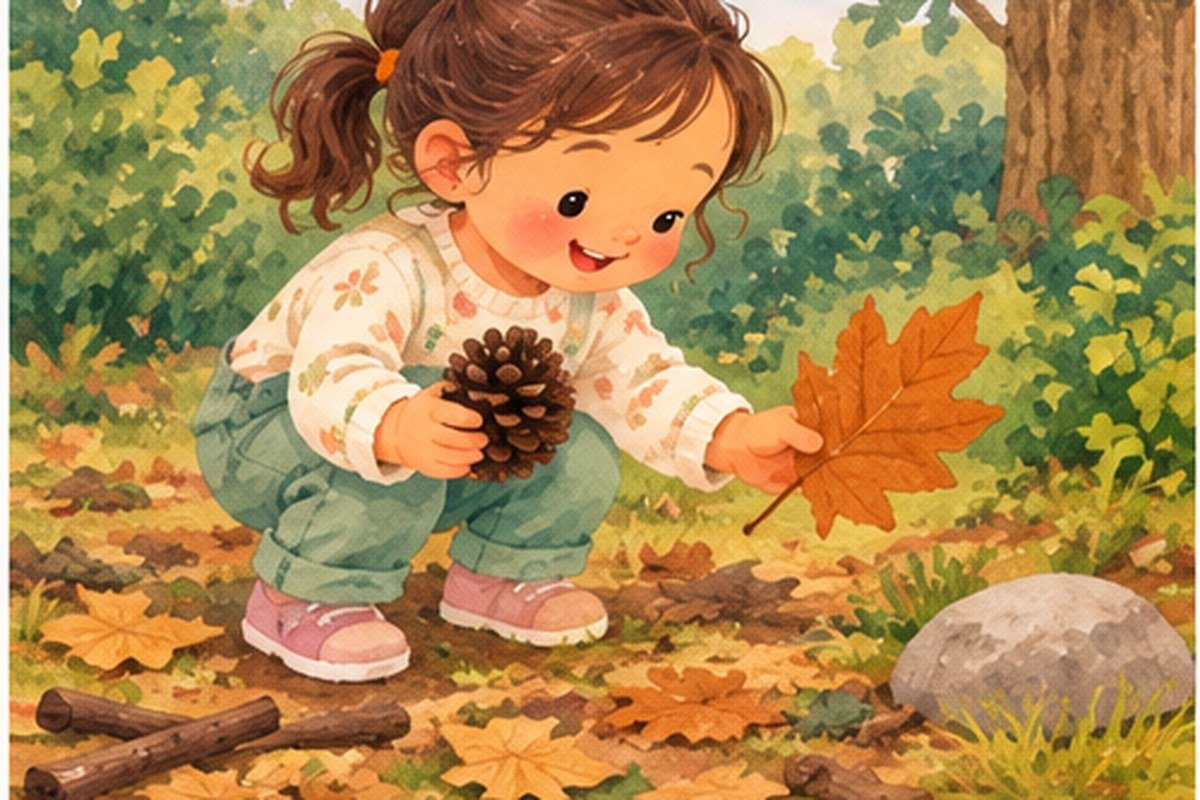
Good for: Sensory exploration, walking
Time: 10–20 minutes
Setup: None
Mess: Little
How to do it
Look for a few safe outdoor surfaces that feel different.
Tree bark might be rough. Grass feels different from stone. A large fallen leaf may feel smooth or crunchy.
How to get them interested
Touch one surface yourself and describe it with one simple word.
“Rough.”
Then find something completely different and ask whether it feels the same.
Then let them take over
When they begin touching safe surfaces without you choosing them first, follow along instead of continuing your planned list.
Toddler not interested?
Turn it into a single challenge: find the roughest thing nearby.
Important safety note
Avoid unknown plants, mushrooms, berries, animal waste, sharp objects, and irritating surfaces.
4. Water Pour Station
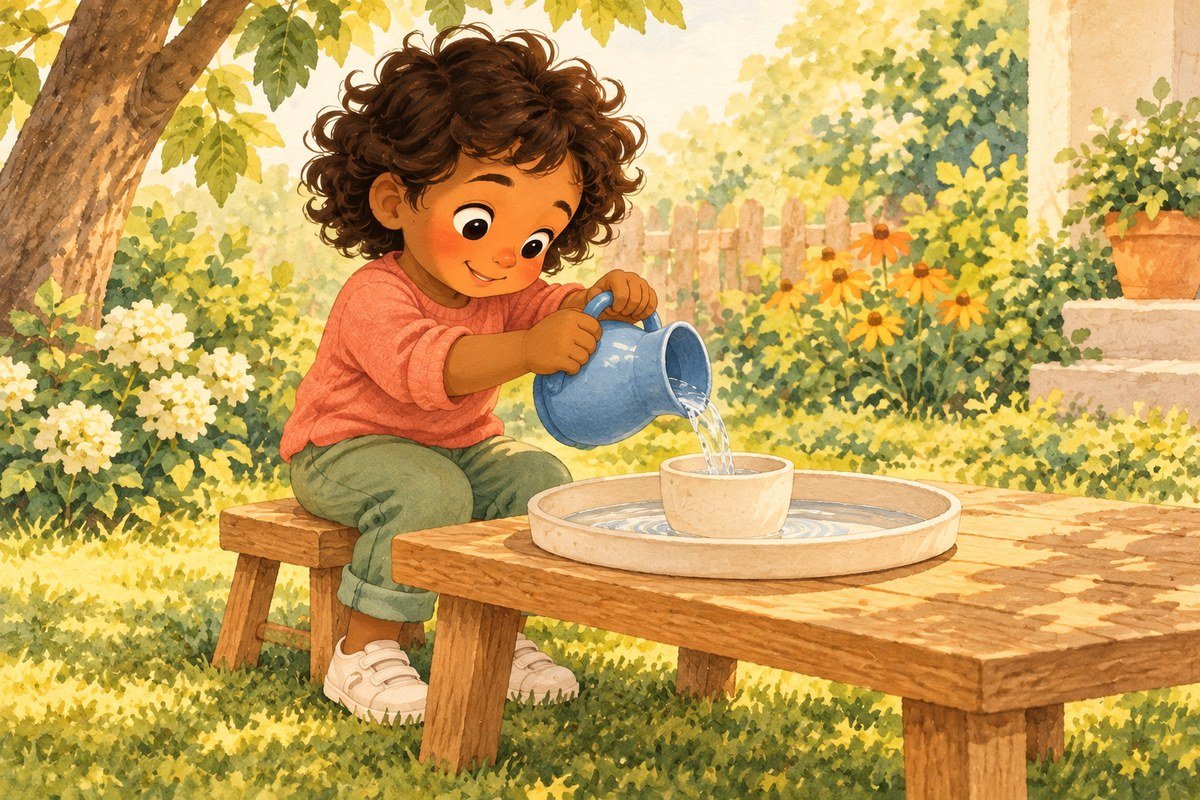
Good for: Pouring, water play, repetition
Time: 15–30 minutes
Setup: A few minutes
Mess: Wet
How to do it
Set out a shallow container of water with two or three sturdy cups or small pitchers that are easy for toddler hands to hold.
They can fill, pour, empty, and refill.
How to get them interested
Fill one cup only halfway and pour it into another container.
Then leave the empty cup beside the water.
You don’t need to explain the cycle. They can see what happened.
Then let them take over
When they start refilling the empty cup without waiting for you, stop helping.
Toddler not interested?
Add one larger container and see whether they prefer pouring everything into a single target.
Important safety note
Keep all toddler water play supervised and use containers that are light and unbreakable.
Outdoor Gross Motor Activities for Toddlers
These give toddlers somewhere useful to put bigger movements such as running, stepping, carrying, throwing, and pretending to be animals.
1. Animal Walk Trail
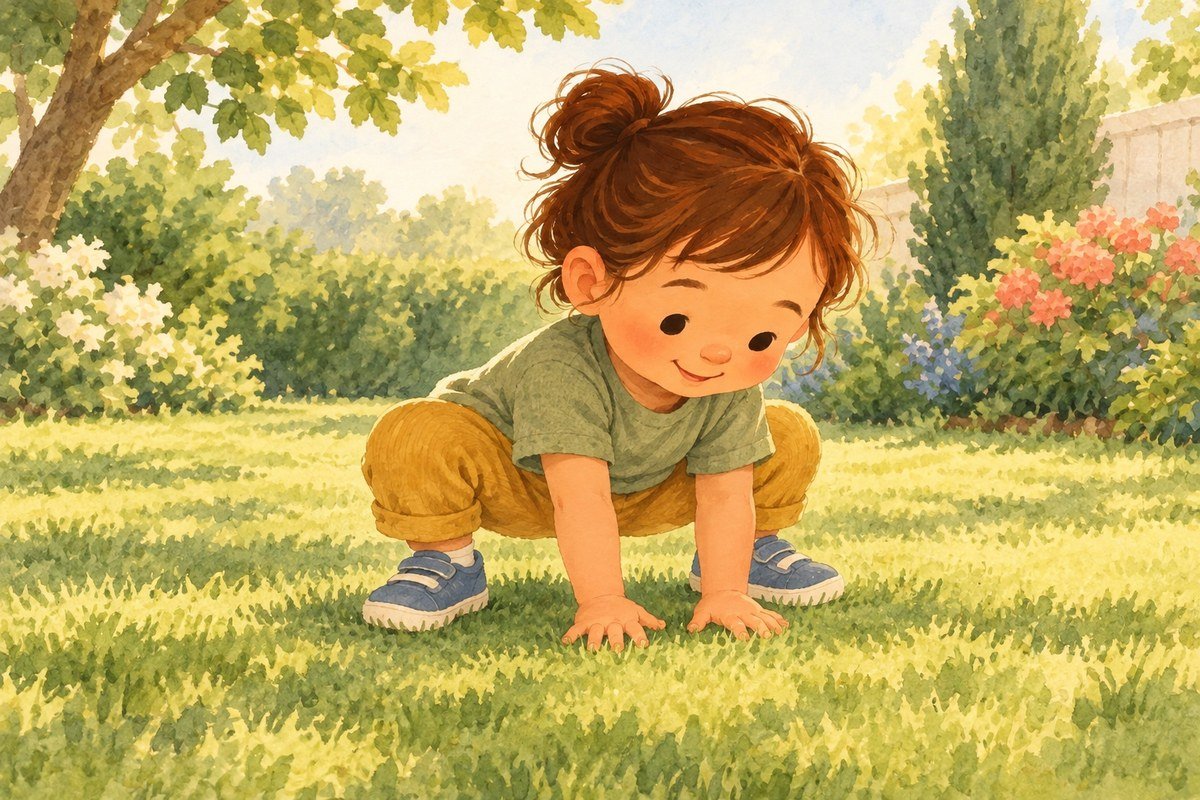
Good for: Whole-body movement, pretending
Time: 10–20 minutes
Setup: None
Mess: Little
How to do it
Pick two points outside and travel between them like different animals.
You might stomp like an elephant, waddle like a duck, crawl like a bear, or invent an animal whose movement makes no biological sense.
How to get them interested
Do the first animal yourself and do it badly.
Ask them whether that is really how a frog moves.
Then let them take over
When they name the next animal or invent their own movement, stop choosing.
Try to copy them instead.
Toddler not interested?
Let their favorite stuffed animal choose what everyone has to become.
2. Soft Ball Goal
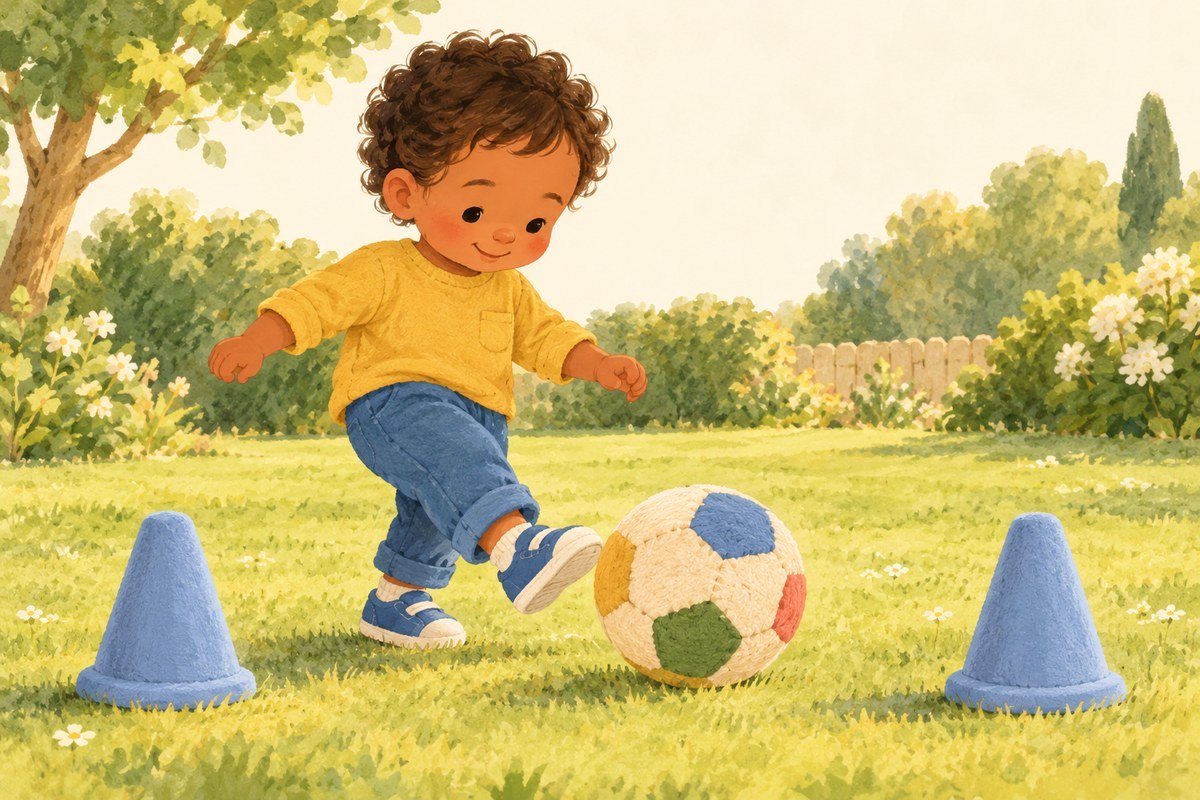
Good for: Kicking, rolling, aiming
Time: 10–15 minutes
Setup: Almost none
Mess: None
How to do it
Create a simple goal using two safe markers and a soft ball.
Toddlers can kick it, roll it, carry it through, or stand ridiculously close to the goal.
How to get them interested
Take the first attempt yourself and miss by a lot.
Then put the ball somewhere easier and give them a turn.
Then let them take over
When they retrieve the ball themselves after an attempt, stop placing it back for them.
That retrieval is a good sign the loop is working.
Toddler not interested?
Make the goal much wider.
Success is generally more fun than respecting official toddler football regulations.
3. Jump the Chalk Rivers
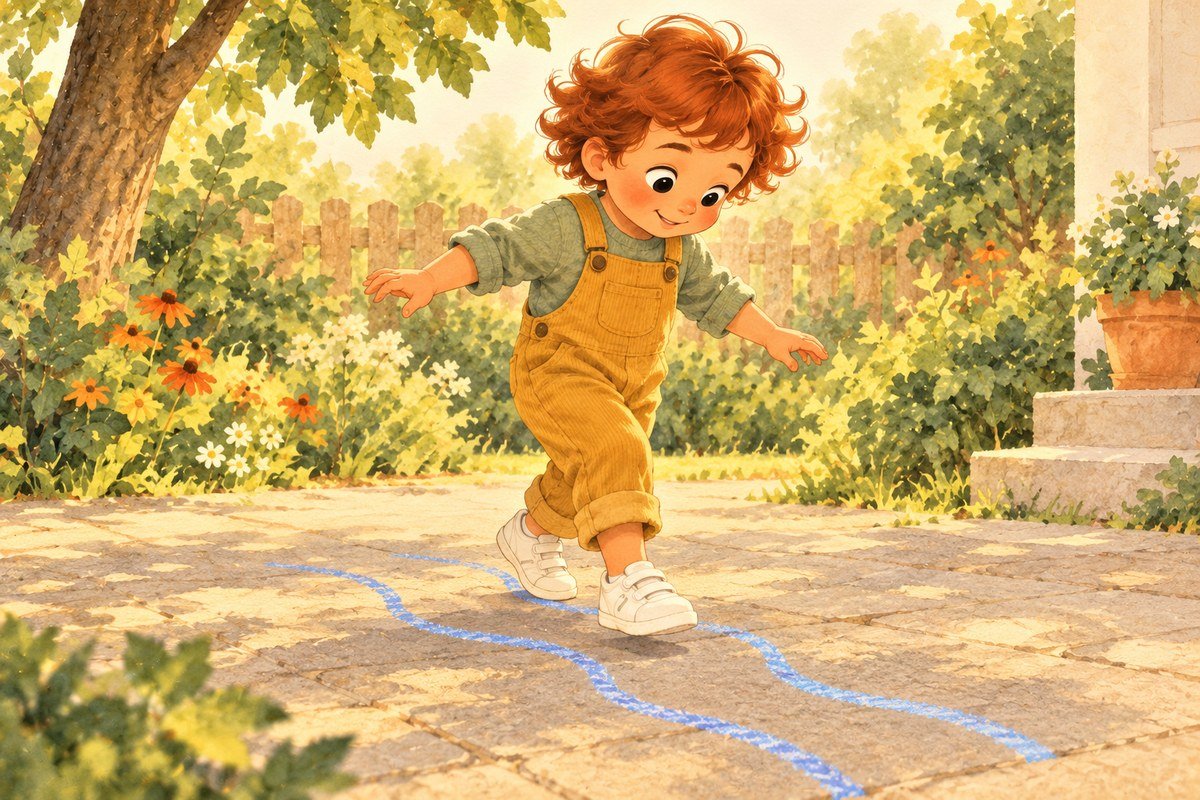
Good for: Stepping, jumping, balance
Time: 5–15 minutes
Setup: A few minutes
Mess: Little
How to do it
Draw two chalk lines close together and call the space between them a river.
Your toddler can step across, hop across, walk around, or make the river wider when they’re ready.
How to get them interested
Stand on one side with exaggerated concern about how you could possibly cross this enormous river.
Then step across.
Then let them take over
When your toddler starts crossing without waiting for your reaction, add nothing.
Let them decide whether the river stays a river at all.
Toddler not interested?
Make it a road for a toy car instead.
4. Bucket Carry
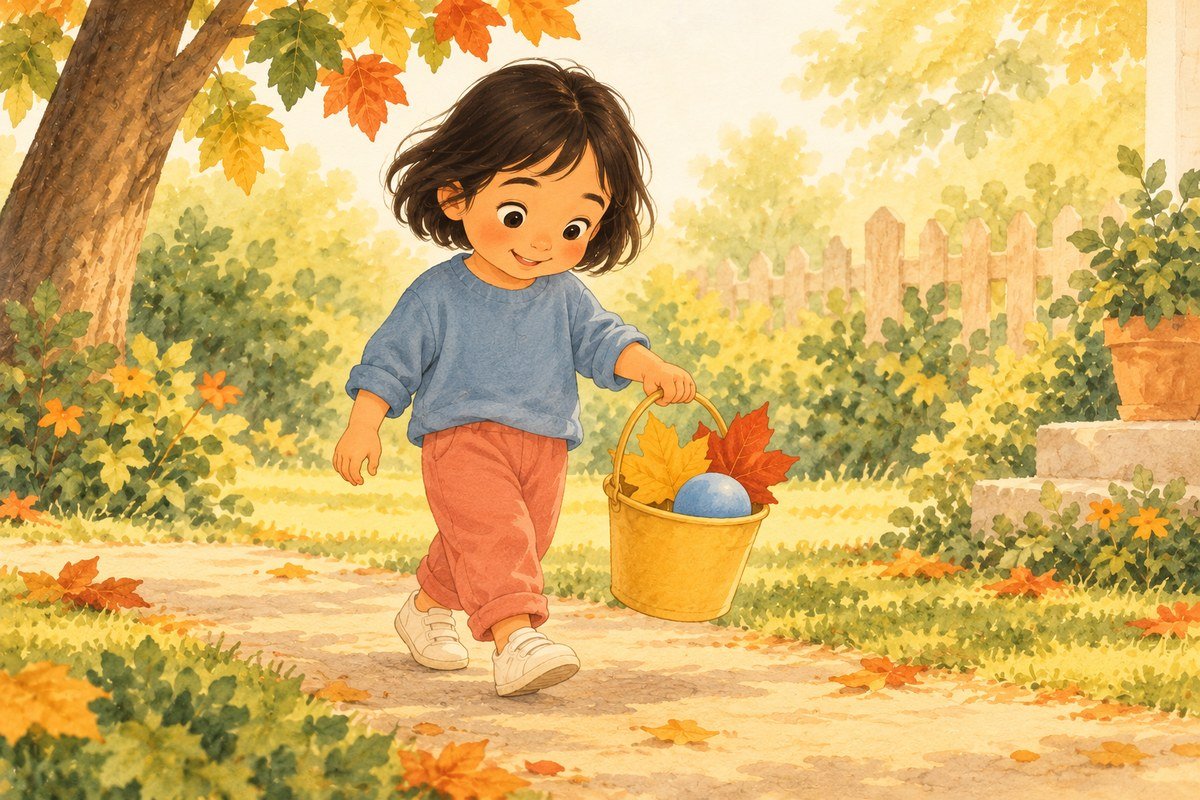
Good for: Carrying, moving objects, outdoor missions
Time: 10–20 minutes
Setup: Almost none
Mess: Little
How to do it
Give your toddler a lightweight bucket and a few safe, lightweight objects to move from one spot to another.
Keep the bucket light. The point is the mission, not strength training.
How to get them interested
Put one item in the bucket, carry it somewhere nearby, empty it, then return with the bucket.
Leave the next item behind.
Then let them take over
When they begin loading or unloading the bucket without waiting for you, step out.
They may also decide that transporting the bucket itself is enough.
Toddler not interested?
Put one favorite toy in the bucket and turn it into a ride instead.
What Makes a Good Outdoor Activity for a Toddler?
For me, the best outdoor activities have a very obvious first move.
Run there. Put this in the bucket. Touch this. Pour this water. Kick the ball. That is usually enough to get things started.
I also try not to over-plan them. Outdoors already gives toddlers things to notice that I couldn’t have predicted. A bird, truck, puddle, stick, bug, or person walking a dog may instantly become more interesting than whatever excellent activity I prepared.
That isn’t really a failure.
The goal is usually to get us outside and give my son something worth starting. If the chalk path turns into drawing, the nature hunt turns into carrying one stick around for twenty minutes, or the bucket becomes a hat, I’m not going to fight for my original concept.
Once they have taken ownership of what happens next, the activity has already done its job.
Want One Activity That Fits Right Now?
Tell Little Moment Play your child’s age, what you need, and how much time, setup, or mess you’re willing to deal with.
Browse Toddler Activities by Age
- Activities for 1-Year-Olds
- Activities for 2-Year-Olds
- Activities for 3-Year-Olds
- Activities for 4-Year-Olds
- Activities for 5-Year-Olds